




AmericanElectric Energy · Defense Solutions
Power that
holds the
line.
Lithium power for drones, robotics and field tech — UGVs, EOD robots, soldier systems, tactical vehicles, forward operating bases and unmanned maritime systems. Engineered in the USA for precision, endurance and mission reliability.
U.S. Army soldier checking an AN/PVS-31C binocular night-vision device · Photo: U.S. Army National Guard photo by Sgt. Ryan Reed · Public domain
Premium cells from




The defense power problem
Power is a mission system.
In the field, the battery decides how long a drone stays up, how long a radio stays on and whether a robot finishes the job. Batteries built for consumers were never designed for that.
At AmericanElectric Energy, we engineer high-performance lithium battery systems for military applications — from tactical vehicles and communication systems to unmanned platforms and field equipment. Using premium cells from LG, Samsung and Panasonic, with advanced BMS intelligence, every system is custom-designed around your program’s requirements — rugged, secure, and assembled and tested in the USA.
Eight mission areas. One engineering discipline.
Every mission draws power differently.
A UGV’s traction surge, a drone’s take-off spike, a radio’s all-night watch and a microgrid’s daily cycle each demand a different pack. Explore the application you are building.
Application deep-dives
What we can power
Select an application to see the typical power profile, the engineering challenges, and how an AEE custom pack is built for it.
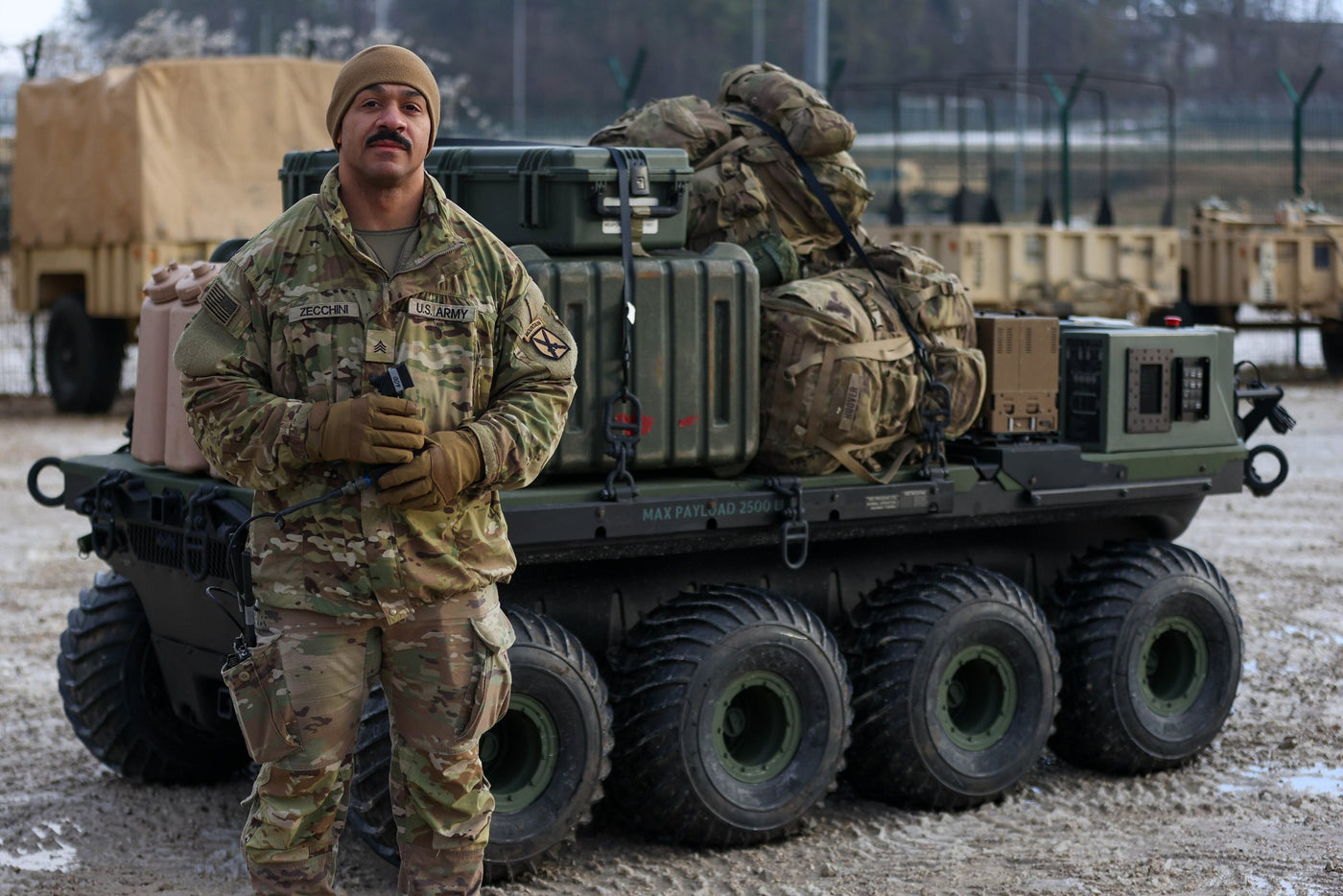
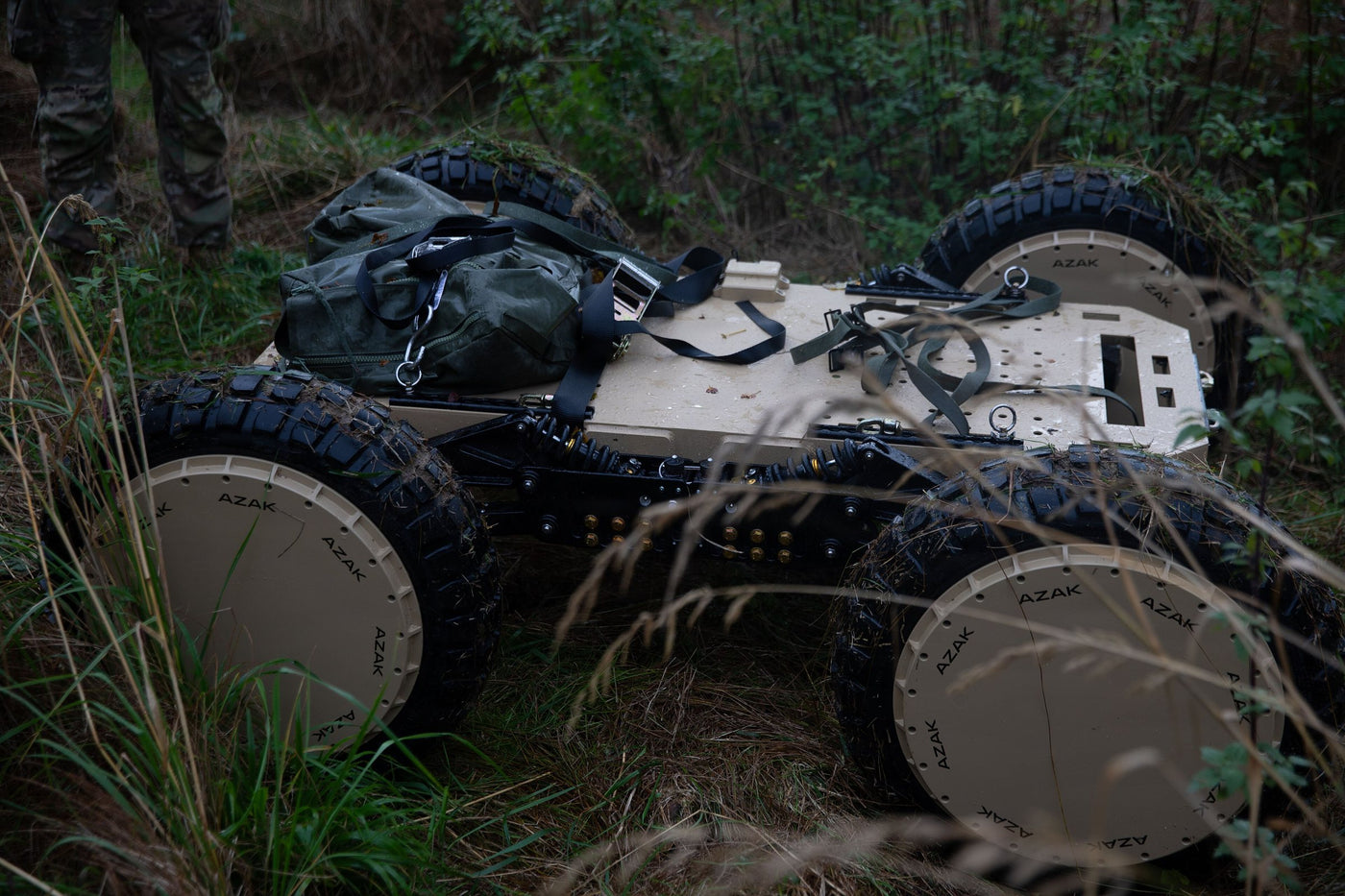
01 / 08 · Application deep-dive
Unmanned ground vehicles
From squad-support carriers to reconnaissance platforms, UGVs move payloads, sensors and radios across rough ground. One battery feeds traction, payload and comms — often far from any charger.
- Typical bus
- 24–28 V vehicle-style bus up to high-voltage traction
- Typical pack energy
- ≈1 kWh to tens of kWh
- Duty profile
- Traction plus payload, sensors & comms
Engineering challenges
- Shock and vibration across rough terrain and in transport
- Wide operating-temperature windows
- Silent-watch runtime for sensors and radios with drives idle
- Packs that can be swapped or recharged in the field
How AEE builds it
- Voltage, dimensions and discharge rate tailored to your platform
- Premium cells from Samsung, LG, Panasonic, Molicel, EVE or Sony — selected for the application
- Smart BMS configured around your system’s communication requirements
- Safety and performance testing protocols tailored to your project
- UL-certified components · assembled and tested in the USA

02 / 08 · Application deep-dive
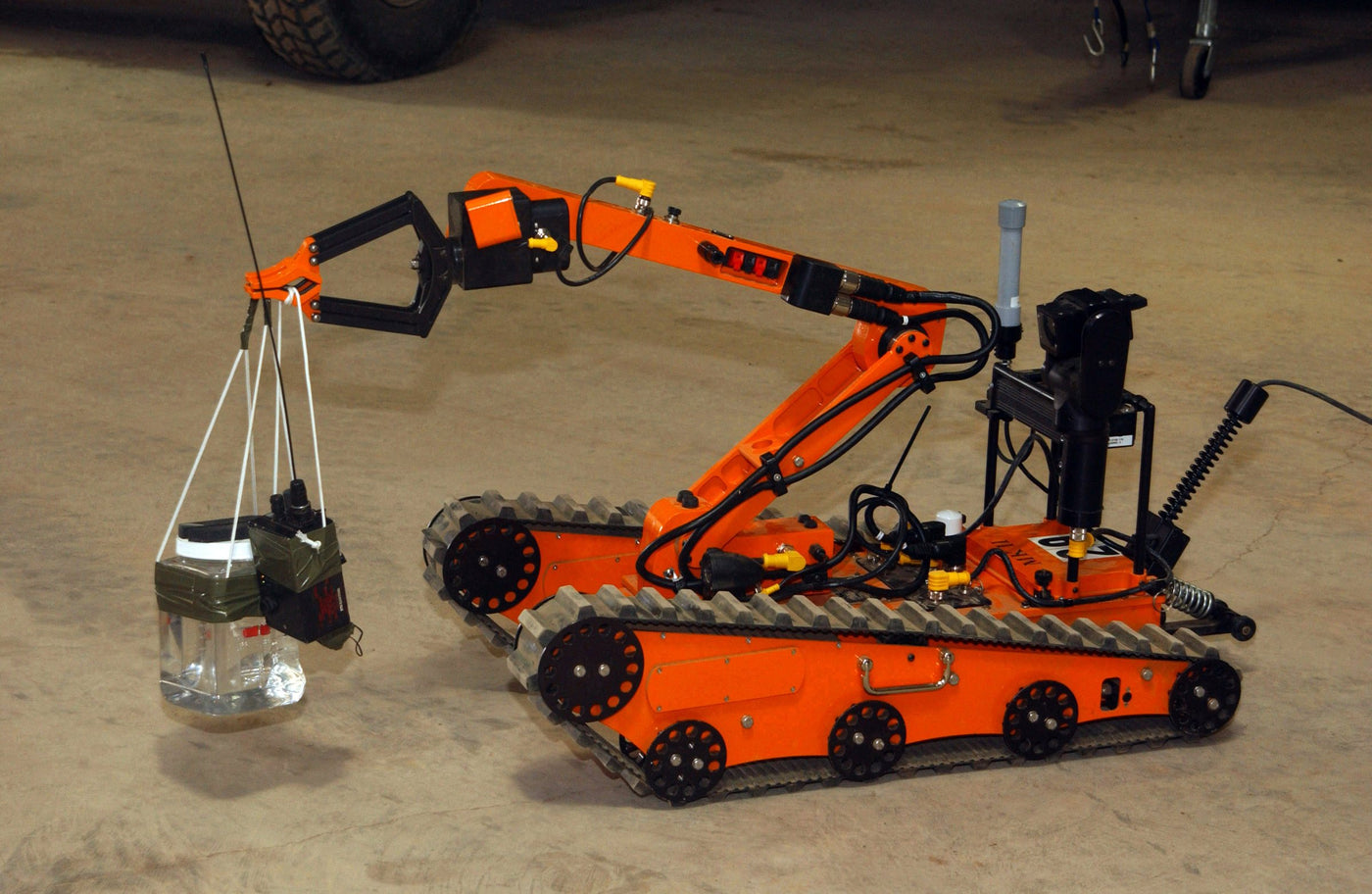
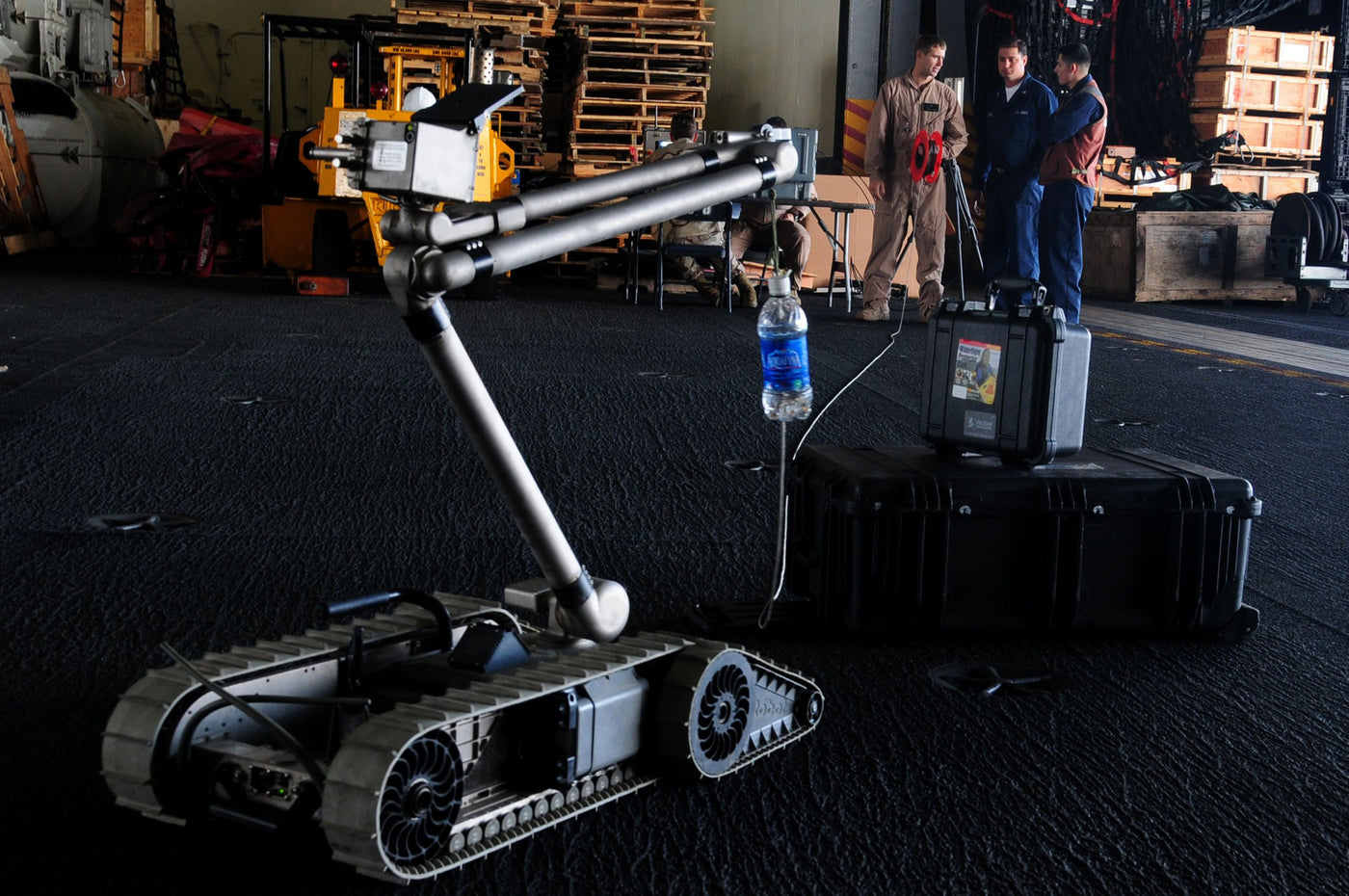
EOD & tactical robots
Ordnance-disposal and tactical robots work slowly and precisely — then need instant power for the arm and tracks at the critical moment. Reliability at the point of use is everything.
- Typical bus
- ≈24–48 V
- Typical pack energy
- ≈0.5–3 kWh
- Duty profile
- Manipulator peaks over low-speed traction
Engineering challenges
- Combined peak current from arm, gripper and track motors
- Stable voltage for fine manipulator control and video links
- Rugged handling during transport and deployment
- Quick battery swaps between tasks
How AEE builds it
- Voltage, dimensions and discharge rate tailored to your platform
- Premium cells from Samsung, LG, Panasonic, Molicel, EVE or Sony — selected for the application
- Smart BMS configured around your system’s communication requirements
- Safety and performance testing protocols tailored to your project
- UL-certified components · assembled and tested in the USA
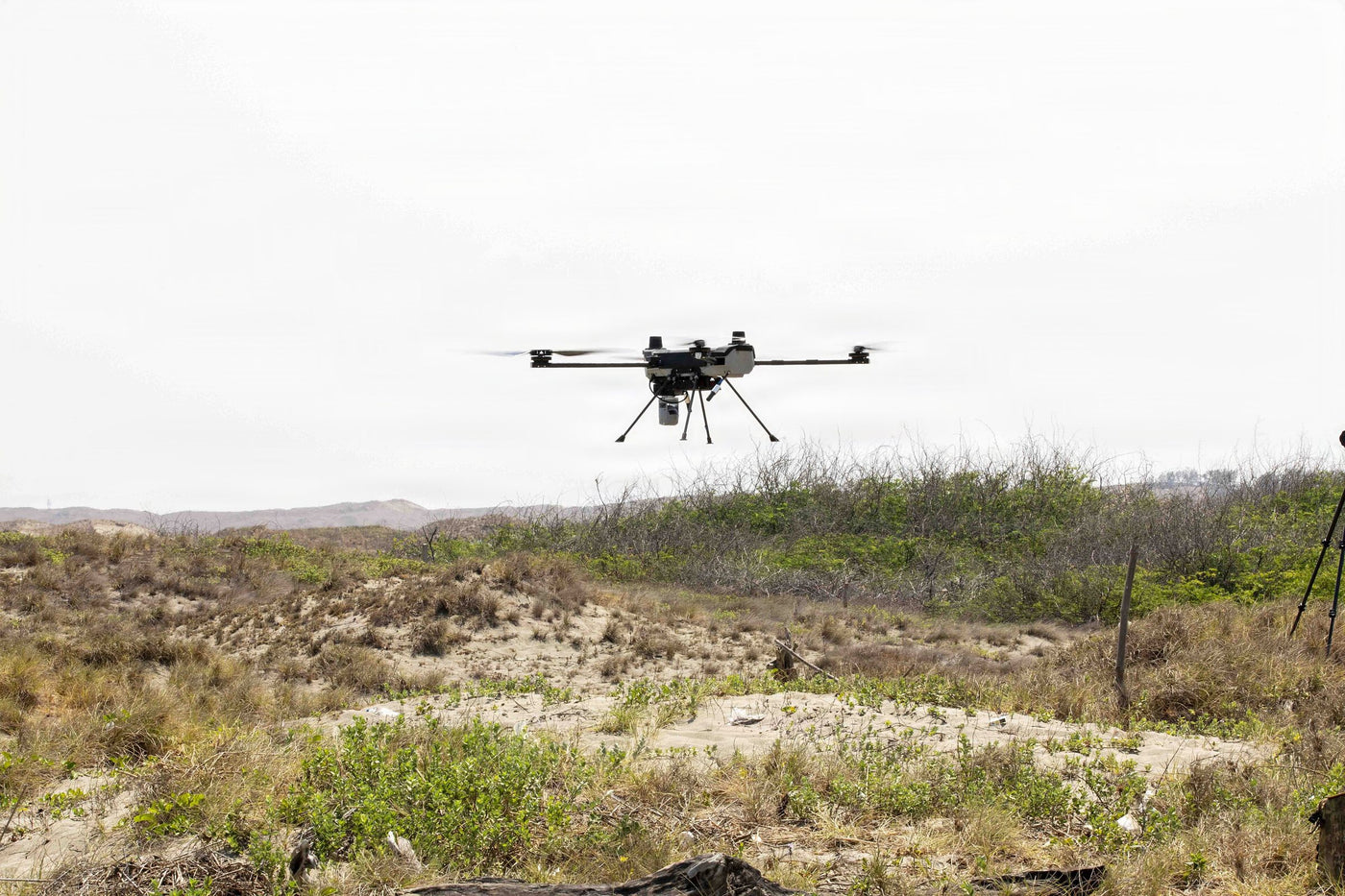
03 / 08 · Application deep-dive
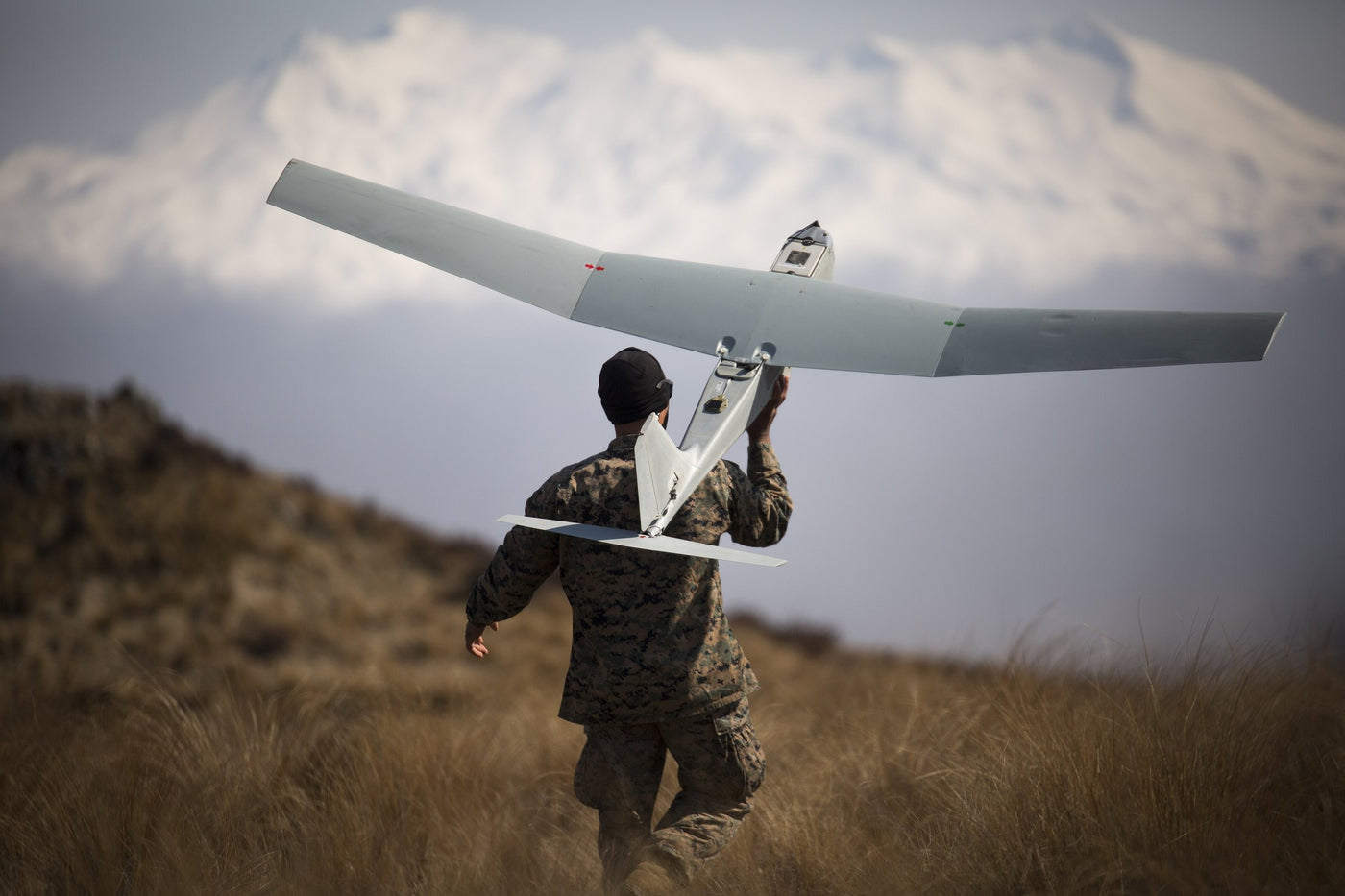
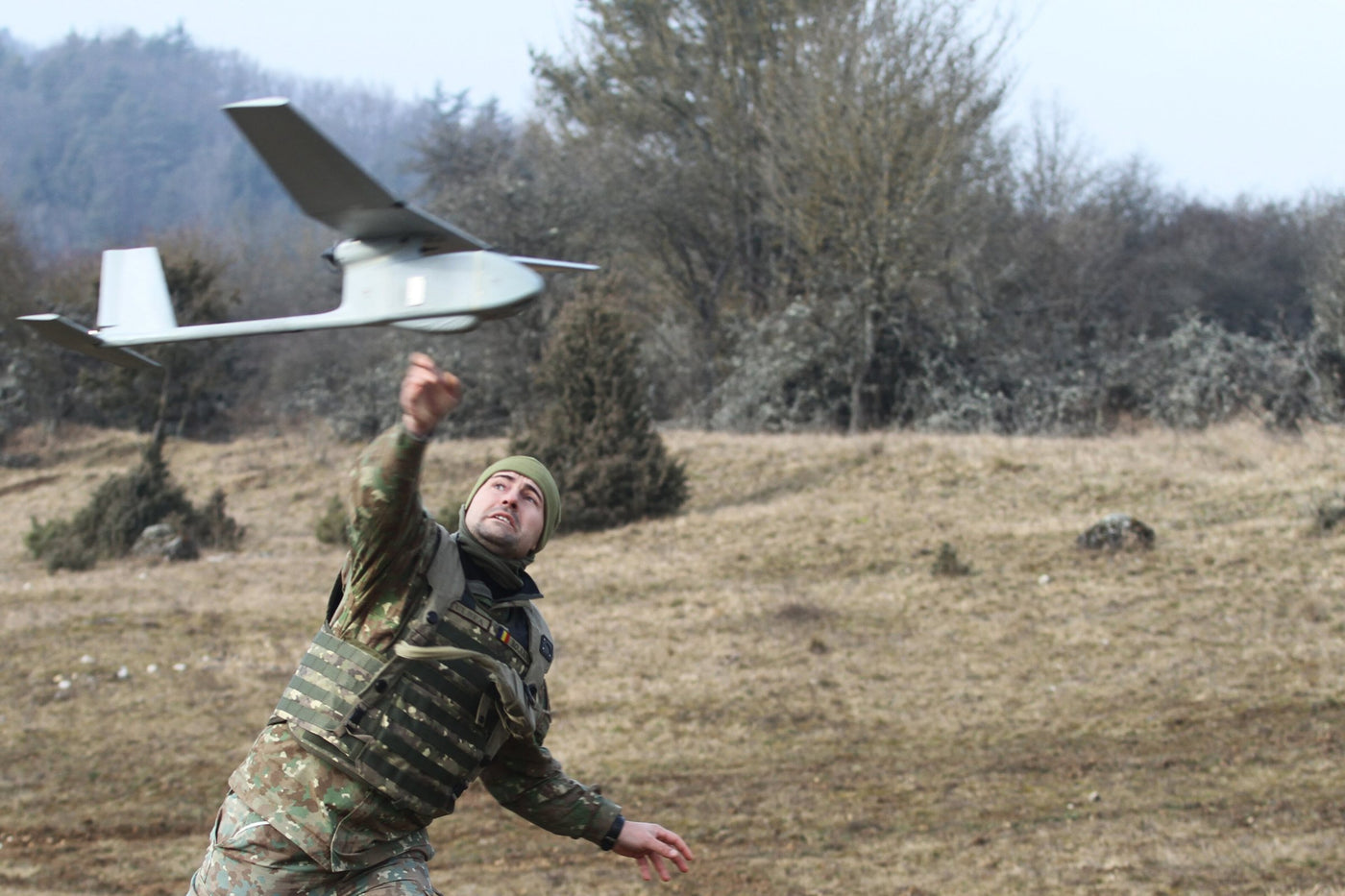
Drones & small UAS
In the air, every gram costs flight time. Multirotors and small fixed-wing aircraft pull high current on launch, climb and in wind — so packs balance specific energy against discharge rate.
- Typical bus
- 6S–14S (≈22–52 V)
- Typical pack energy
- ≈0.1–1 kWh
- Duty profile
- Very high C-rate, weight-critical
Engineering challenges
- Specific energy (Wh/kg) sets endurance
- High-discharge cells for launch, climb and gusts
- Cold-weather performance and voltage sag
- Lithium transport and shipping rules for spares
How AEE builds it
- Voltage, dimensions and discharge rate tailored to your platform
- Premium cells from Samsung, LG, Panasonic, Molicel, EVE or Sony — selected for the application
- Smart BMS configured around your system’s communication requirements
- Safety and performance testing protocols tailored to your project
- UL-certified components · assembled and tested in the USA
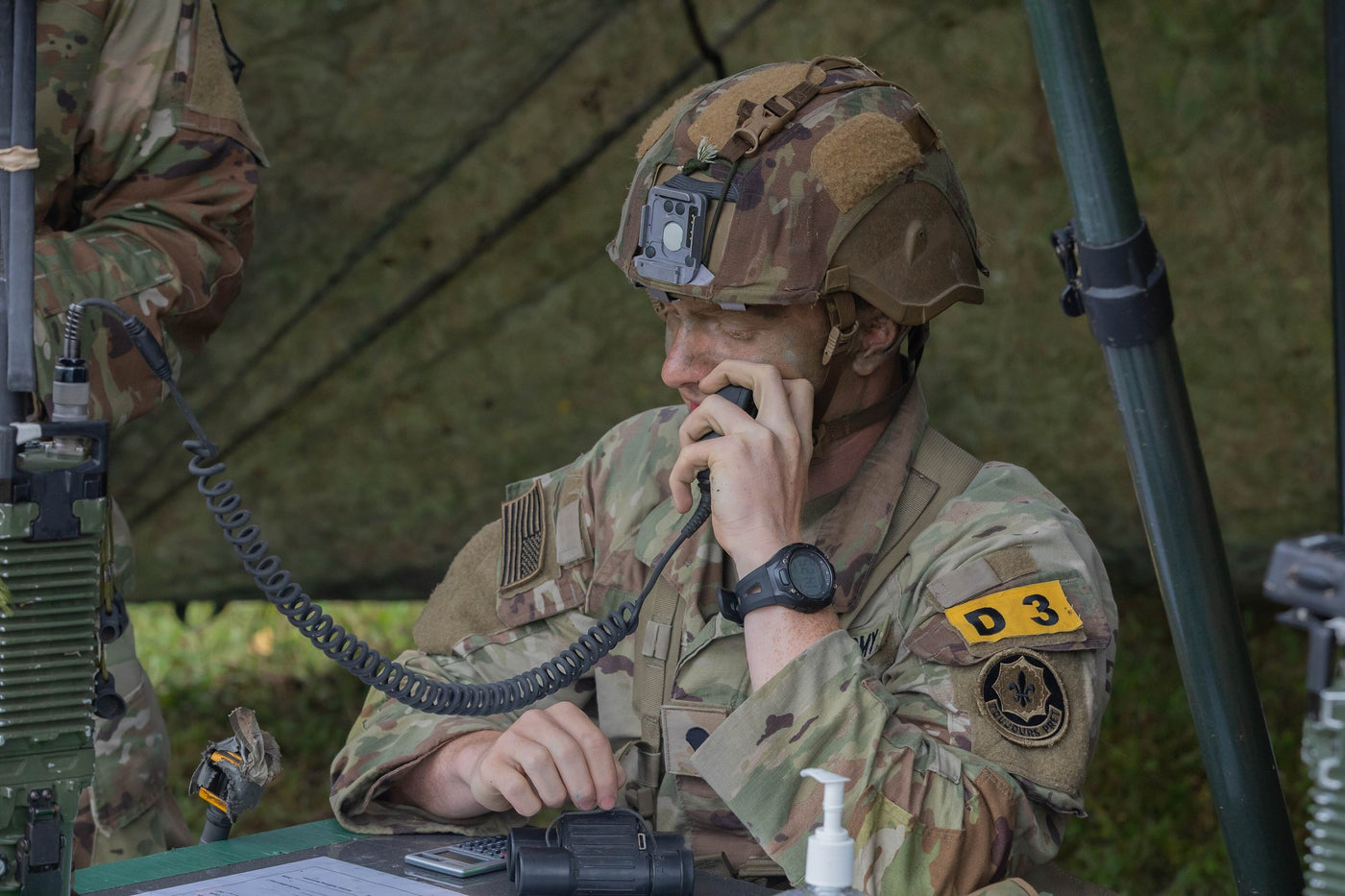
04 / 08 · Application deep-dive
Soldier-worn & portable power
Radios, night-vision, rugged computers and sensors all run on batteries the soldier carries. Every gram on the kit counts, and packs must keep working in cold, heat and rain.
- Typical bus
- ≈12–30 V (device-dependent)
- Typical pack energy
- ≈50–300 Wh per pack
- Duty profile
- Long, low-to-moderate draw with transmit peaks
Engineering challenges
- Weight and conformal shapes that fit the load-out
- Performance at temperature extremes
- Fit with existing devices, chargers and connectors
- Clear state-of-charge before every mission
How AEE builds it
- Voltage, dimensions and discharge rate tailored to your platform
- Premium cells from Samsung, LG, Panasonic, Molicel, EVE or Sony — selected for the application
- Smart BMS configured around your system’s communication requirements
- Safety and performance testing protocols tailored to your project
- UL-certified components · assembled and tested in the USA
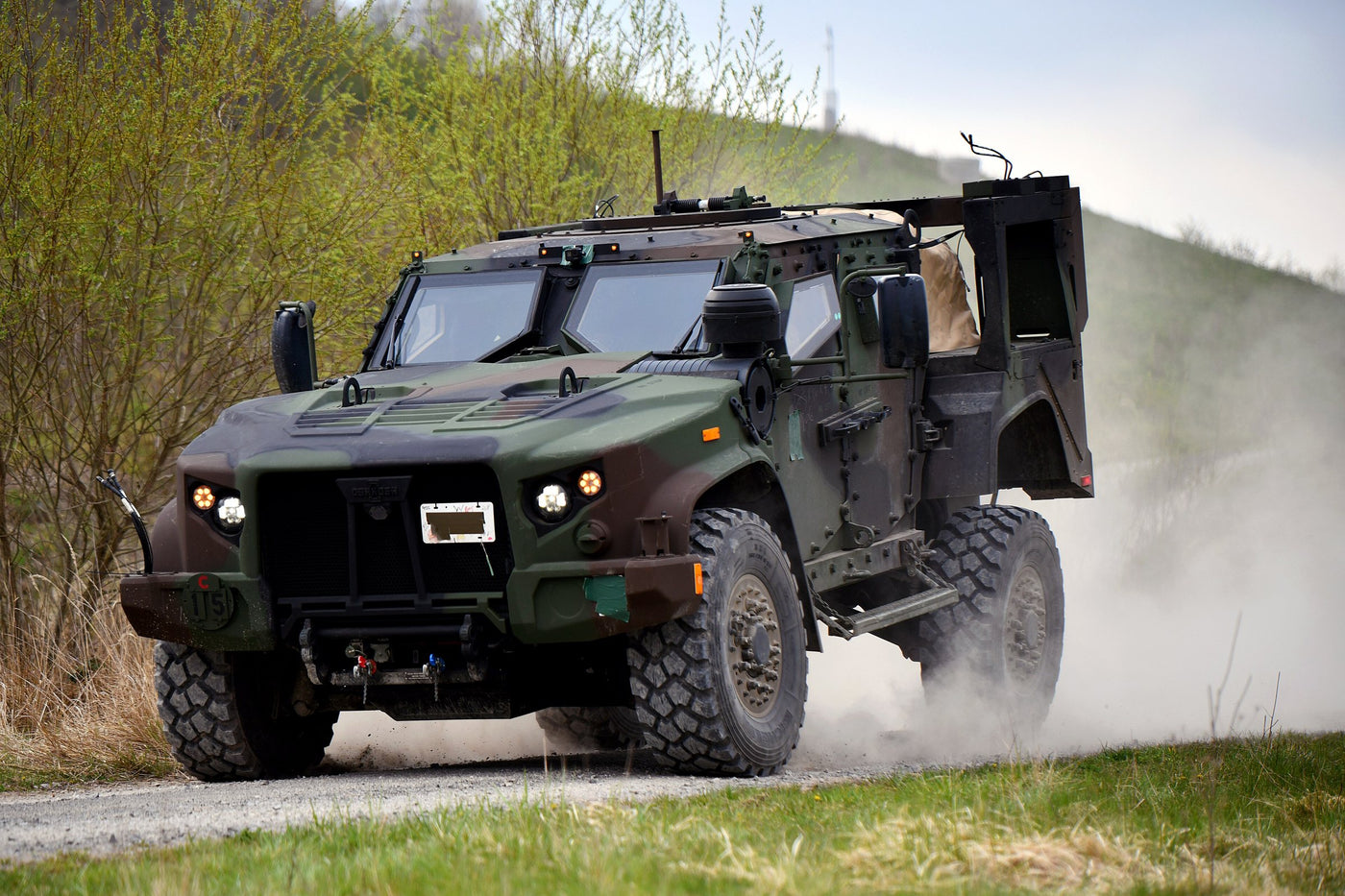
05 / 08 · Application deep-dive
Tactical vehicles & silent watch
Modern tactical vehicles carry more electronics than ever. Lithium auxiliary packs can keep radios, sensors and command systems running with the engine off.
- Typical bus
- 24–28 V vehicle bus
- Typical pack energy
- ≈2–20 kWh
- Duty profile
- Engine-off silent watch, high auxiliary loads
Engineering challenges
- Engine-off runtime for radios, sensors and C2 systems
- Integration with existing 24 V vehicle electrical systems
- Vibration and shock on and off road
- Cold-start and hot-soak temperatures
How AEE builds it
- Voltage, dimensions and discharge rate tailored to your platform
- Premium cells from Samsung, LG, Panasonic, Molicel, EVE or Sony — selected for the application
- Smart BMS configured around your system’s communication requirements
- Safety and performance testing protocols tailored to your project
- UL-certified components · assembled and tested in the USA

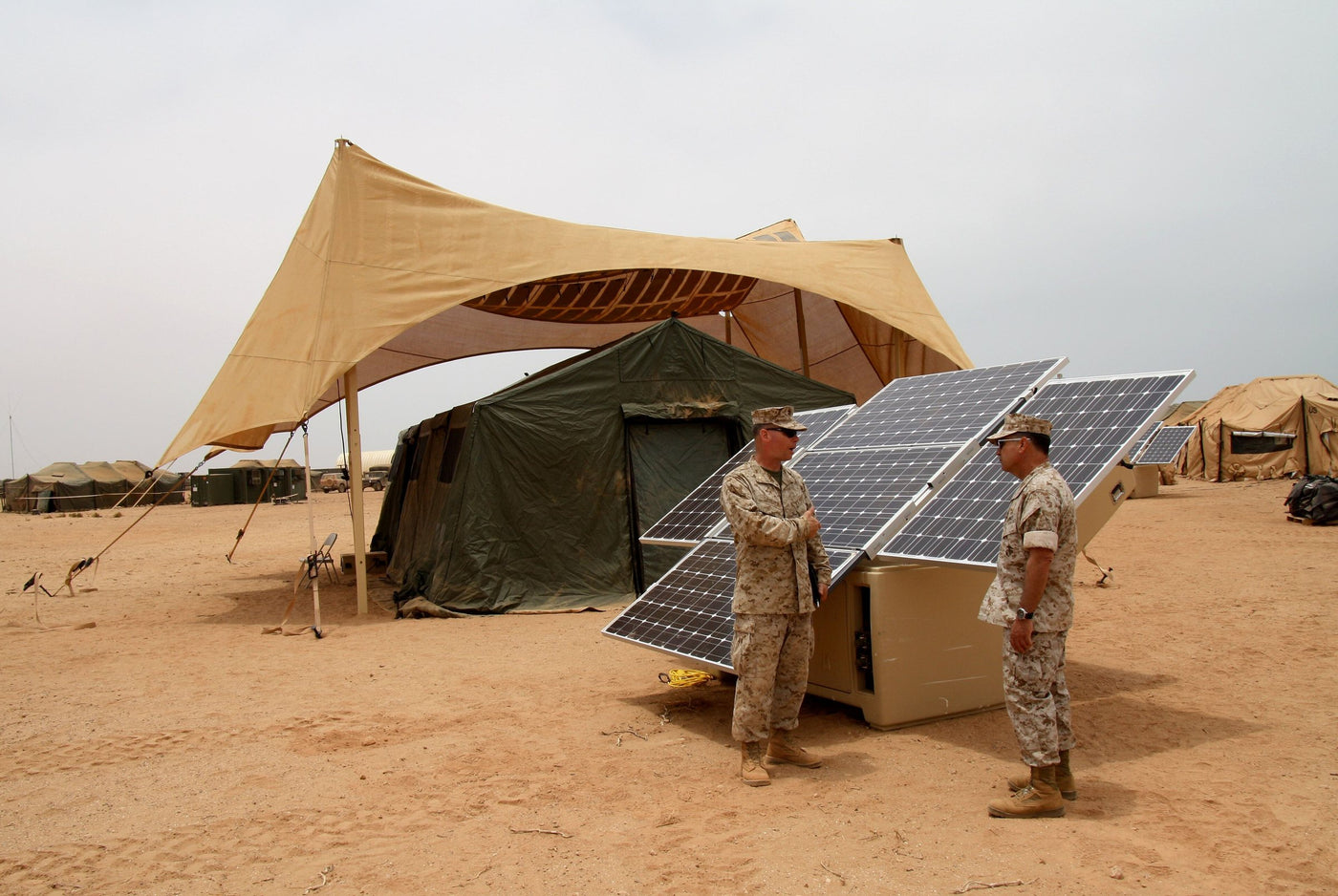
06 / 08 · Application deep-dive
Forward operating bases & microgrids
Expeditionary bases pair generators, solar and storage to reduce fuel runs and keep critical loads powered. Batteries buffer the microgrid and carry the night.
- Typical bus
- ≈48 V to high-voltage DC
- Typical pack energy
- ≈10 kWh to containerized MWh
- Duty profile
- Daily cycling, generator offset
Engineering challenges
- Transportable, rapidly deployable packaging
- Integration with generators, inverters and solar
- Dust, heat and wide temperature swings
- Cycle life under daily charge and discharge
How AEE builds it
- Voltage, dimensions and discharge rate tailored to your platform
- Premium cells from Samsung, LG, Panasonic, Molicel, EVE or Sony — selected for the application
- Smart BMS configured around your system’s communication requirements
- Safety and performance testing protocols tailored to your project
- UL-certified components · assembled and tested in the USA
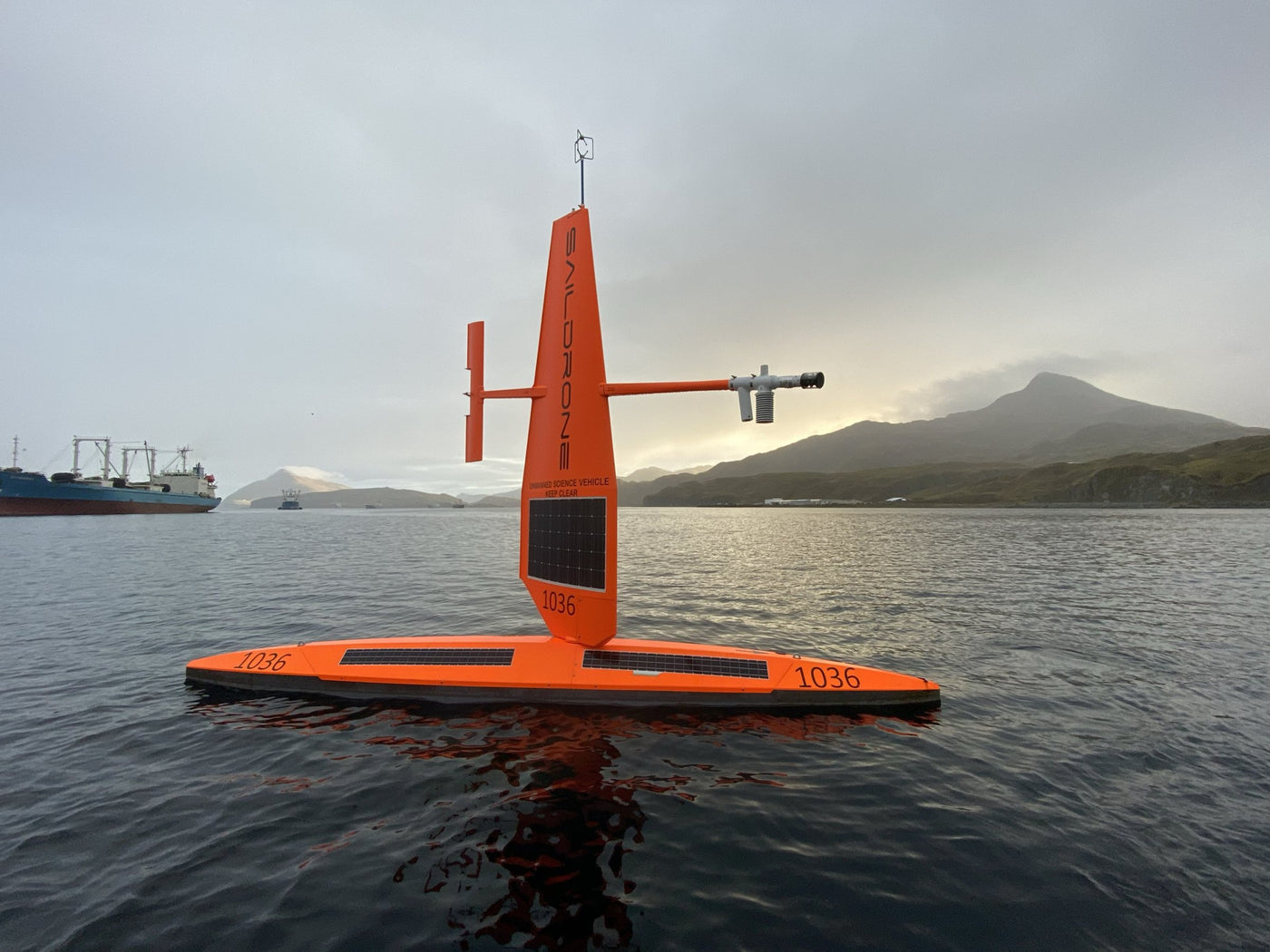

07 / 08 · Application deep-dive
Unmanned maritime systems
Uncrewed surface and underwater vehicles patrol and survey for days at a time. Packs live inside sealed hulls and pressure housings, and endurance is the mission.
- Typical bus
- ≈24–48 V+
- Typical pack energy
- ≈1–50+ kWh
- Duty profile
- Long-endurance missions
Engineering challenges
- Sealed against water ingress, salt and humidity
- Weight and centre of mass affect trim and stability
- Endurance with no chance to recharge mid-mission
- Stable power for sensors, autonomy and data links
How AEE builds it
- Voltage, dimensions and discharge rate tailored to your platform
- Premium cells from Samsung, LG, Panasonic, Molicel, EVE or Sony — selected for the application
- Smart BMS configured around your system’s communication requirements
- Safety and performance testing protocols tailored to your project
- UL-certified components · assembled and tested in the USA
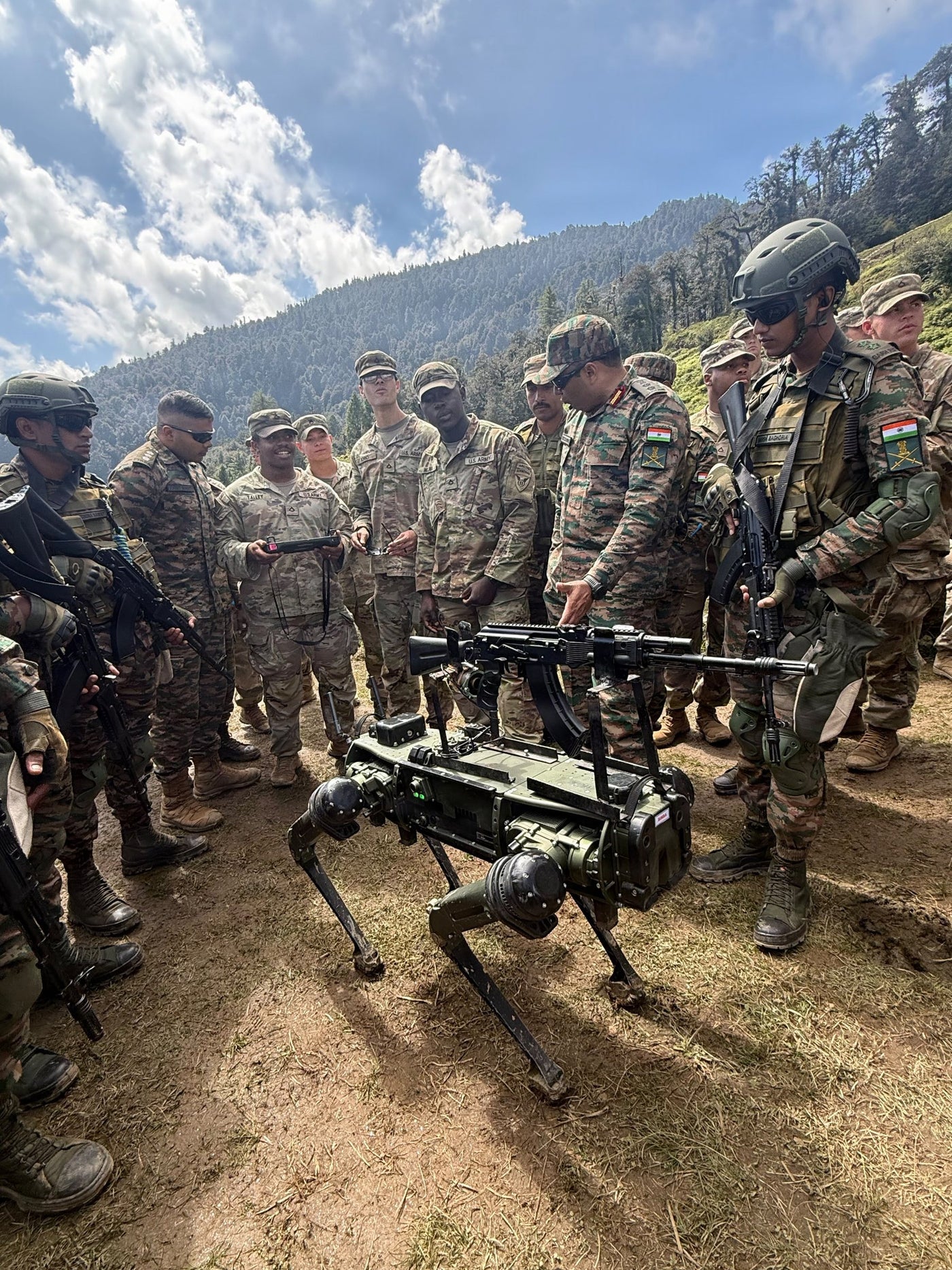
08 / 08 · Application deep-dive
Perimeter, sentry & legged robots
Legged and wheeled robots patrol perimeters, scout buildings and carry sensors where people are at risk. Each step, start and climb is a current spike.
- Typical bus
- ≈24–60 V
- Typical pack energy
- ≈0.2–2 kWh
- Duty profile
- Dynamic gait spikes, long patrols
Engineering challenges
- Repeated impact and vibration from walking, stairs and falls
- Weight-to-runtime trade-off drives cell selection
- Outdoor work needs sealed, weather-resistant packs
- Hot-swap capability to keep patrols running
How AEE builds it
- Voltage, dimensions and discharge rate tailored to your platform
- Premium cells from Samsung, LG, Panasonic, Molicel, EVE or Sony — selected for the application
- Smart BMS configured around your system’s communication requirements
- Safety and performance testing protocols tailored to your project
- UL-certified components · assembled and tested in the USA
Equipment pictured is third-party and shown only to illustrate application categories. It is not AEE equipment, and its appearance does not imply any partnership, endorsement, program award or customer relationship. The appearance of U.S. Department of Defense visual information does not imply or constitute DoD endorsement. Voltage and energy figures are typical industry ranges, for orientation only.
Power matrix
Defense power at a glance
Typical ranges, for orientation only. Every AEE pack is engineered to your actual specification.
| Mission area | Typical bus voltage | Typical pack energy | Duty profile | First design constraint |
|---|---|---|---|---|
| Unmanned ground vehicles | 24–28 V vehicle-style bus up to high-voltage traction | ≈1 kWh to tens of kWh | Traction plus payload, sensors & comms | Shock and vibration across rough terrain and in transport |
| EOD & tactical robots | ≈24–48 V | ≈0.5–3 kWh | Manipulator peaks over low-speed traction | Combined peak current from arm, gripper and track motors |
| Drones & small UAS | 6S–14S (≈22–52 V) | ≈0.1–1 kWh | Very high C-rate, weight-critical | Specific energy (Wh/kg) sets endurance |
| Soldier-worn & portable power | ≈12–30 V (device-dependent) | ≈50–300 Wh per pack | Long, low-to-moderate draw with transmit peaks | Weight and conformal shapes that fit the load-out |
| Tactical vehicles & silent watch | 24–28 V vehicle bus | ≈2–20 kWh | Engine-off silent watch, high auxiliary loads | Engine-off runtime for radios, sensors and C2 systems |
| Forward operating bases & microgrids | ≈48 V to high-voltage DC | ≈10 kWh to containerized MWh | Daily cycling, generator offset | Transportable, rapidly deployable packaging |
| Unmanned maritime systems | ≈24–48 V+ | ≈1–50+ kWh | Long-endurance missions | Sealed against water ingress, salt and humidity |
| Perimeter, sentry & legged robots | ≈24–60 V | ≈0.2–2 kWh | Dynamic gait spikes, long patrols | Repeated impact and vibration from walking, stairs and falls |
Anatomy of an AEE defense pack
Engineered layer by layer.
- CellsSamsung, LG, Panasonic, Molicel, EVE or Sony — chosen for energy, discharge rate and temperature behaviour for your mission profile.
- ConfigurationSeries/parallel layout built to your voltage, capacity and discharge-rate targets.
- Smart BMSProtection and monitoring configured around the communication protocol your platform requires.
- Form factorCompact, rugged packs shaped to your dimensions, mounting and load-out.
- ValidationSafety and performance testing protocols tailored to your project, with UL-certified components.
- LifecycleDiagnostics, repairs, rebuilds and recycling to extend and close the loop.
Is your military gear running on foreign batteries?
Upgrade to American force. Powered by us.
Need a U.S.-made lithium battery supplier?
We don’t just deliver — we power missions.
Start your defense projectPrototype to production
From inquiry to mission success
Our seven-step custom battery development process.
- 01
Mission Inquiry Received
Once we receive your inquiry through our official request form, our Defense Solutions Team begins evaluating the project scope, mission profile and initial performance requirements.
- 02
Initial Contact (24–72 Hours)
Within 24 to 72 hours, our team reaches out to gather detailed technical data — voltage needs, form factor, operating environment, and the communication protocols required by your platform.
- 03
Strategic Consultation
A virtual meeting or call to discuss your use case, challenges, and integration goals. We then provide a tailored proposal and preliminary design outline that matches your system architecture.
- 04
Technical Alignment & Engineering Adjustments
Once the project is approved, a series of engineering meetings finalizes all technical adjustments and design parameters before production.
- 05
Production & Project Reporting
Production with full traceability and quality assurance at every stage. You receive regular progress updates, timelines and manufacturing milestones.
- 06
Safety Testing & Quality Validation
Each battery undergoes strict safety and performance testing protocols tailored to your project. All components are UL-certified and our operation is 100% U.S.-based.
- 07
Final Delivery & Support
Your battery system is carefully packaged and shipped — and our support continues beyond delivery.
Engineering brief
Come prepared. Move faster.
The more of this you share up front, the faster our team can scope your pack. Don’t have every number yet? Send what you have — we’ll work through the rest together.
- Nominal voltage & operating rangee.g. 24 V nominal for a vehicle bus, or 6S–14S for a UAS
- Continuous & peak currentAverage draw, peak amps and how long peaks last
- Runtime / energy targetHours of operation, autonomy or Wh required
- Envelope & weight budgetMax L × W × H, mounting points, max mass
- Operating environmentTemperature range, water, dust, shock, vibration and transport
- Communication protocolWhat your platform expects from the BMS — e.g. CAN, SMBus, UART or none
- Program requirementsAny specifications or standards your program requires — list them so we can review scope
- Connectors & chargingExisting connectors, charger, swap or docking
- Quantities & timelinePrototype count, pilot run, expected annual volume
Mission-ready lithium power for defense operations — built in the USA
Request your custom military battery solution
Form not loading? Email your engineering brief directly — we’ll follow up within 24–72 hours.
Email office@american-electric.coBy submitting you agree to our Terms & Conditions.
Application areas we design for
And many more missions.
 Photo: Jonte · CC BY-SA 4.0
Robotics
Robotics Projects
Explore Photo: U.S. Navy photo by MC Specialist 2nd Class Kenneth G. Takada · Public domain
Marine
Electric Vessels Projects
Explore Photo: Spc. Robert Porter · Public domain
Energy
Solar Power Projects
ExploreDefense FAQ
Questions from defense teams
Can you work to our program’s specifications?
Yes. Share the specifications and any standards your program requires in the inquiry form. Our Defense Solutions Team reviews them with you during the strategic consultation, before any design is finalized.
What information should we prepare?
Voltage and operating range, continuous and peak current, runtime target, size and weight limits, operating environment, the communication protocol your platform requires, connectors/charging, program requirements and expected quantities. See the engineering brief checklist above.
Can you build a pack to our exact voltage and dimensions?
Yes. AEE custom-builds lithium packs to exact specifications — tailoring voltage, dimensions and discharge rates to your project requirements. Share your envelope and electrical targets in the inquiry form.
Which cells do you use?
We work with cells from well-known brands such as Samsung, LG, EVE, Panasonic, Molicel and Sony, selected based on the needs of each application.
How quickly will we hear back?
After you submit the request form, our team follows up within 24 to 72 hours to gather detailed technical data.
Is our project information kept confidential?
Yes — inquiries are handled 100% confidentially and securely.
Where are the batteries built?
AEE batteries are made to order. Every unit is assembled and tested in the United States, at our factory in Hallandale Beach, Florida.
Do you offer a warranty?
AmericanElectric Energy offers a one-year warranty on our batteries at no extra cost, covering manufacturing defects or performance issues.
Can you service, repair or rebuild packs already in the field?
Our lifecycle services include advanced diagnostics, professional repairs and performance rebuilds that restore power and extend operational life. Learn about rebuilds.
What happens to packs at end of life?
AEE runs lithium recycling programs, including business accounts for bulk quantities. Business account.
Do you also power robotics outside defense?
Yes — see our Robotics Projects page for humanoids, AMRs, drones, inspection and marine robots.
Image credits & trademark notice
Third-party equipment is shown for illustration of application categories only. It is not AmericanElectric Energy equipment, and its appearance does not imply partnership, endorsement, program award or a customer relationship. U.S. military photos are public domain; the appearance of U.S. Department of Defense visual information does not imply or constitute DoD endorsement. All product names, logos and trademarks belong to their respective owners. Photos are used under the licenses noted below.
- AZAK S26 unmanned ground vehicle operated by 2d Cavalry Regiment soldiers — U.S. Army Reserve photo by Staff Sgt. Vontrae Hampton, Public domain, via Wikimedia Commons (resized)
- 10th Mountain Division squad leader explaining a Small Multipurpose Equipment Transport unmanned ground vehicle — U.S. Army photo by Sgt. Chandler Coats, Public domain, via Wikimedia Commons (resized)
- U.S. Navy EOD robot handling a suspect device — U.S. Navy photo by Journalist Seaman Joe Ebalo, Public domain, via Wikimedia Commons (resized)
- Lithuanian engineers demonstrating a bomb-disposal robot during Exercise Engineer Thunder — Sgt. James Avery, Public domain, via Wikimedia Commons (resized)
- 25th Infantry Division soldiers landing a heavy-lift quadcopter during training — U.S. Army photo by Spc. Hunter Carpenter, Public domain, via Wikimedia Commons (resized)
- U.S. Marine preparing to launch a small unmanned aircraft system — U.S. Department of Defense Current Photos, Public domain, via Wikimedia Commons (resized)
- Soldier calling for fire on an AN/PRC-117G manpack radio — U.S. Army photo by Sgt. Omar Joseph, Public domain, via Wikimedia Commons (resized)
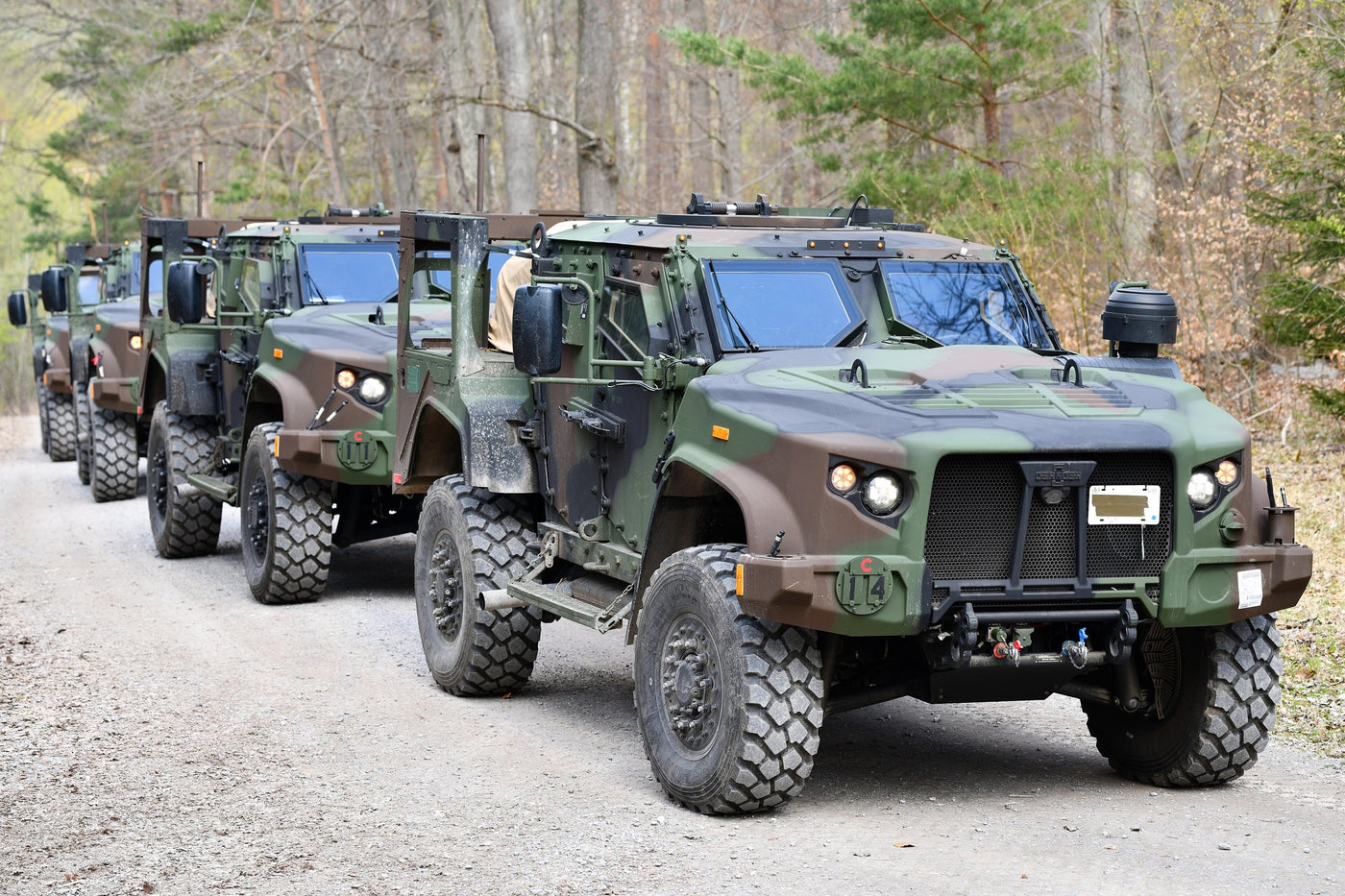
- Joint Light Tactical Vehicle during training in Germany — U.S. Army photo by Jason Johnston, Public domain, via Wikimedia Commons (resized)
- Solar power element of the Expeditionary Forward Operating Base concept (U.S. Marine Corps) — Maj. Paul Greenberg, Public domain, via Wikimedia Commons (resized)
- Rapid Deployment Hybrid Microgrid containers at a field site — U.S. Army HQ-USARL by [null Courtesy], Public domain, via Wikimedia Commons (resized)
- Autonomous reconnaissance craft operating off Coronado — MC Specialist 1st Class Claire M. DuBois, U.S. Navy, Public domain, via Wikimedia Commons (resized)
- Saildrone uncrewed surface vehicle on a NOAA Arctic mission — National Oceanic and Atmospheric Administration (NOAA) & Saildrone, Public domain, via Wikimedia Commons (resized)
- U.S. and Indian Army soldiers with a quadruped robot during Exercise Yudh Abhyas — U.S. Army photo by Maj. Ian Roth, Public domain, via Wikimedia Commons (resized)
- Boston Dynamics Spot quadruped robot on a forest trail — Jonte, CC BY-SA 4.0, via Wikimedia Commons (resized)
- U.S. Navy port security boat on patrol — U.S. Navy photo by MC Specialist 2nd Class Kenneth G. Takada, Public domain, via Wikimedia Commons (resized)
- Tactical microgrid at Fort Dix — Spc. Robert Porter, Public domain, via Wikimedia Commons (resized)
- Soldier wearing AN/PSQ-20 enhanced night-vision goggles — PEO Soldier, U.S. Army, Public domain, via Wikimedia Commons (resized)
- U.S. Army soldier checking an AN/PVS-31C binocular night-vision device — U.S. Army National Guard photo by Sgt. Ryan Reed, Public domain, via Wikimedia Commons (resized)
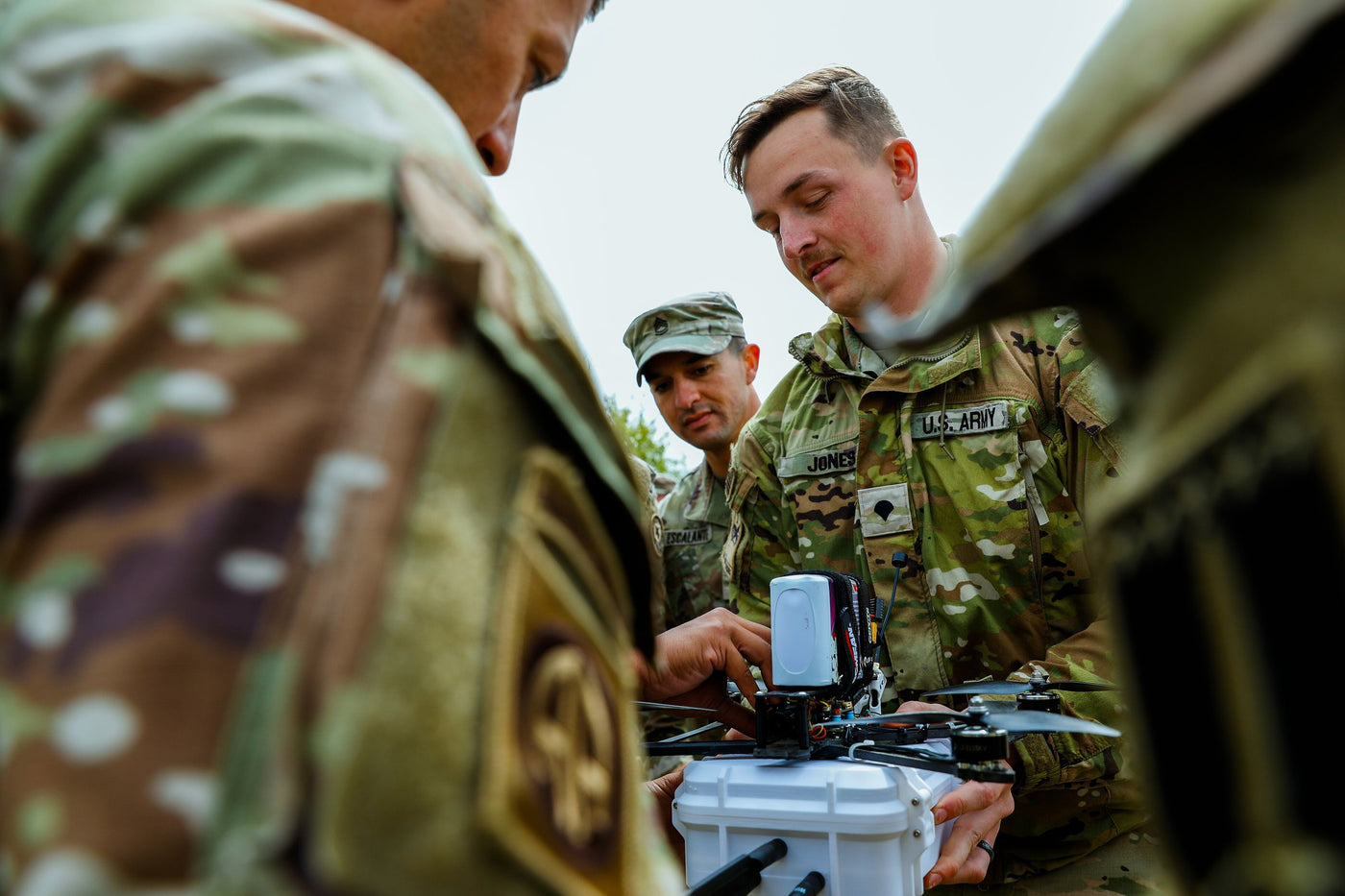
- Soldier presenting an experimental sensor-carrying quadcopter during Exercise Arcane Thunder — U.S. Army photo by Spc. Jennifer Posy, Public domain, via Wikimedia Commons (resized)
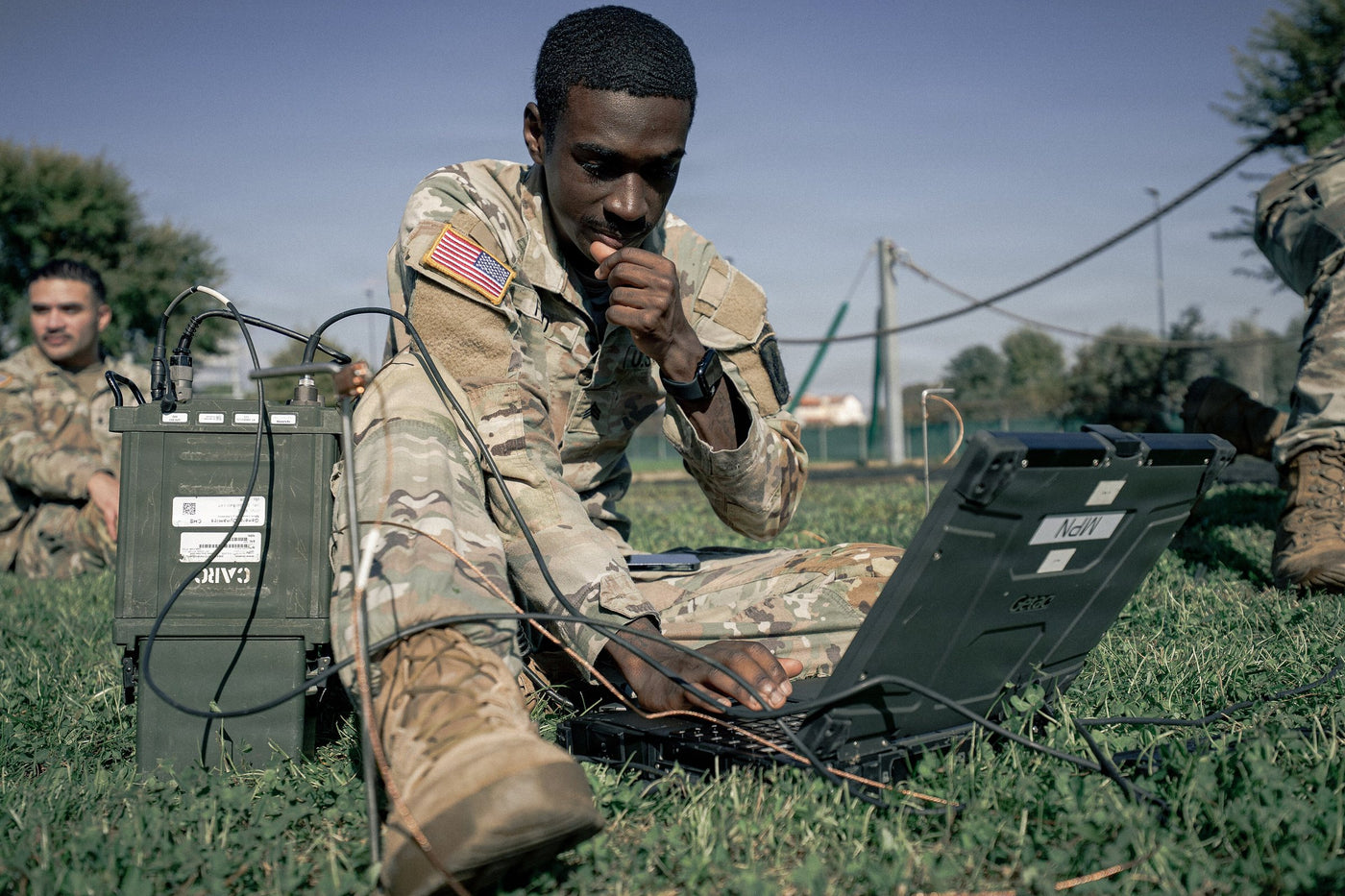
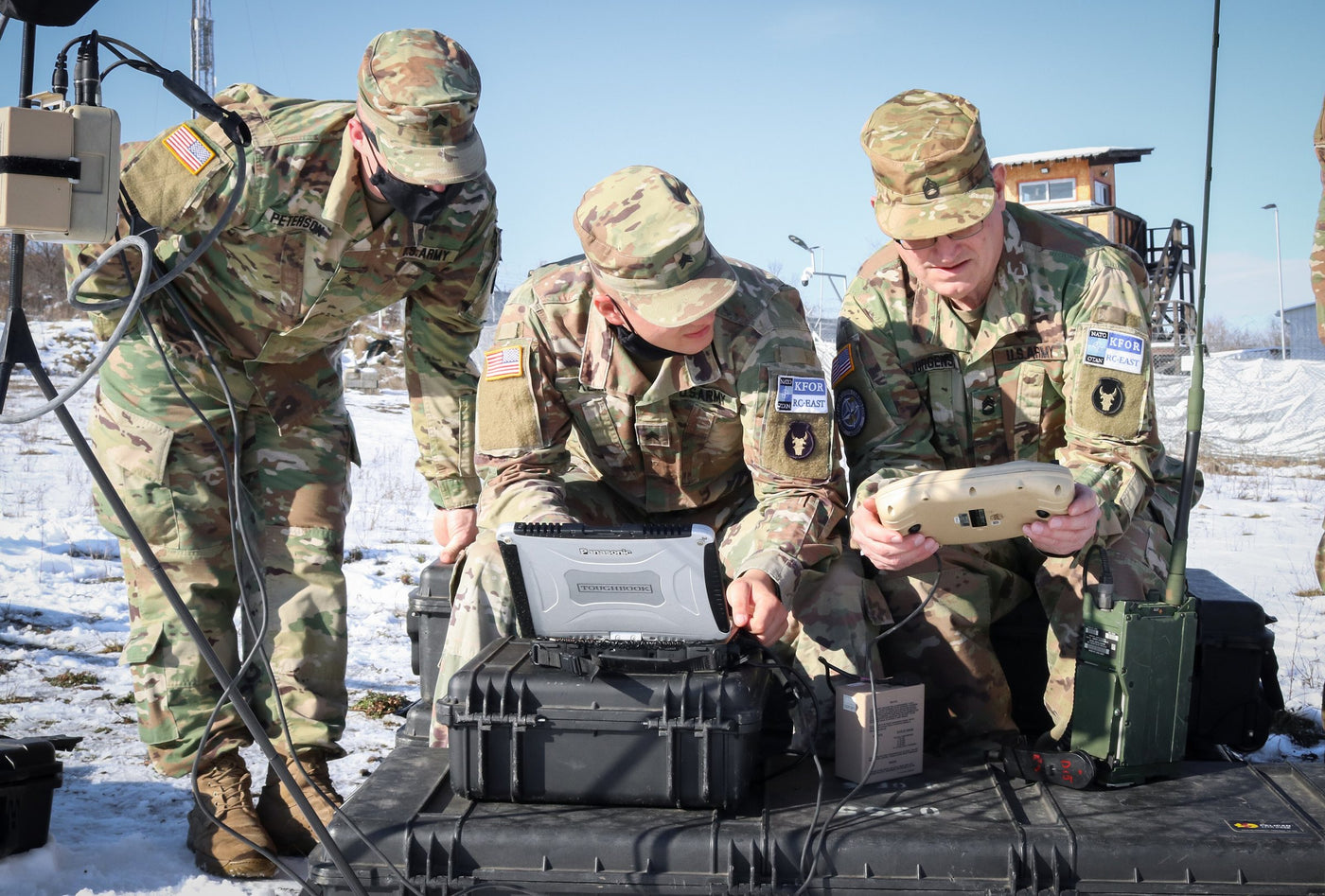
- Signal NCO training on a rugged laptop and an HF manpack radio — U.S. Army photo by Capt. Jennifer French, Public domain, via Wikimedia Commons (resized)
- U.S. Navy EOD personnel demonstrating an ordnance-disposal robot — U.S. Navy photo by MC Specialist Seaman Amara R. Timberlake, Public domain, via Wikimedia Commons (resized)
- Romanian soldier launching a Raven drone during Combined Resolve XIII — Spc. Tyler O’Connell, Public domain, via Wikimedia Commons (resized)
- Joint Light Tactical Vehicles in convoy — U.S. Army photo by Jason Johnston, Public domain, via Wikimedia Commons (resized)
- Soldiers learning the RQ-20 Puma unmanned aircraft system — U.S. Army National Guard photo by Staff Sgt. Tawny Kruse, Public domain, via Wikimedia Commons (resized)