
A Turning Point in the E-Bike Market

As Juiced Bikes’ Bankruptcy Ends an Iconic Run, E-Bike Owners Face a Support Gap — and U.S.-Built Battery Solutions Gain Urgency

After Juiced Bikes’ assets, including inventory and IP, sold at auction for ~$1.225 million, riders confront what comes next — and explore domestic alternatives for critical battery support.

The electric bicycle world watched quietly in late 2024 as Juiced Bikes, one of the earliest and most respected players in North America’s e-bike scene, edged toward collapse. Following months of customer complaints, unfulfilled orders, and silent communications, the brand’s remaining assets — from its intellectual property and patents to inventory and tooling — were listed at auction and ultimately sold for roughly US $1,225,000 in a bankruptcy liquidation process. Electrek+1

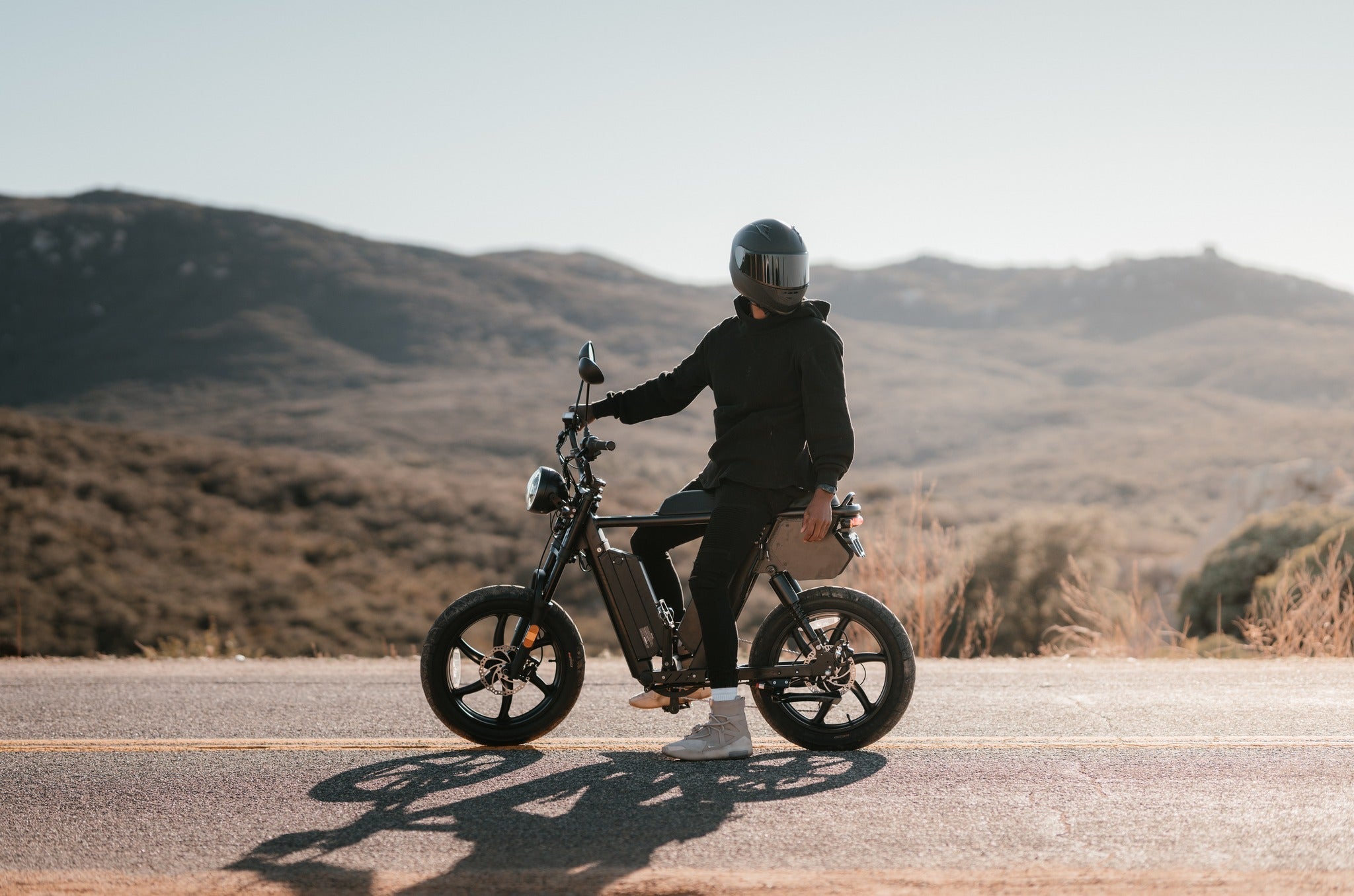
Founded in 2009, Juiced Bikes helped define the high-performance electric bicycle segment, attracting riders with powerful motors and long-range battery systems. Models like the RipCurrent and HyperScrambler reflected the company’s commitment to performance and innovation. But even well-regarded brands can struggle in a market that has cooled significantly since the post-pandemic boom. Electrek

The auction, while providing a partial financial resolution for secured creditors, also represents a deeper issue for current owners: what happens when a prominent e-bike manufacturer disappears and leaves riders without a clear support network for parts or battery replacements? This is an increasingly common question in the evolving micromobility sector — where proprietary battery systems are integral to performance but often lack robust aftermarket support when companies falter.

Domestic Alternatives Take on New Importance

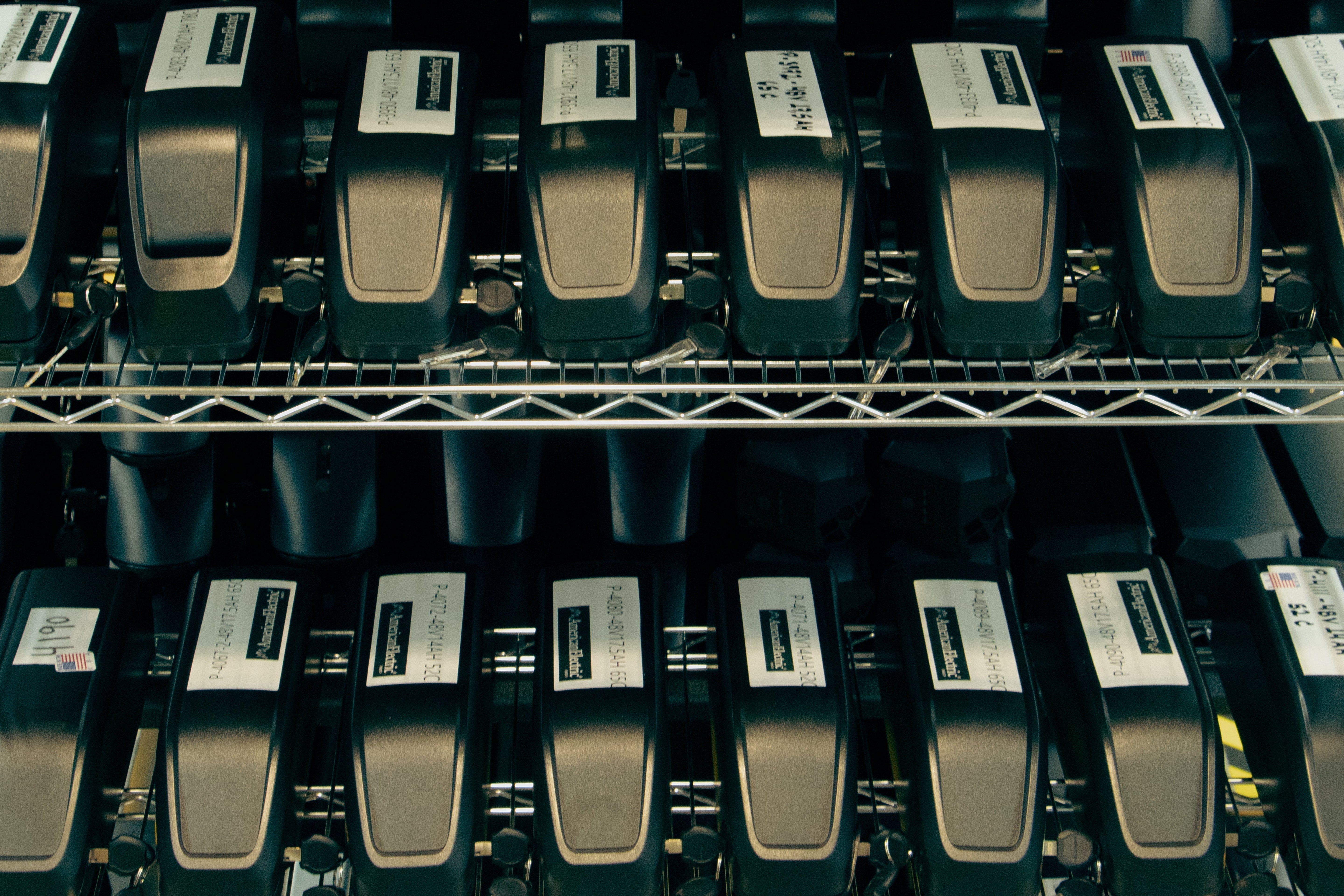
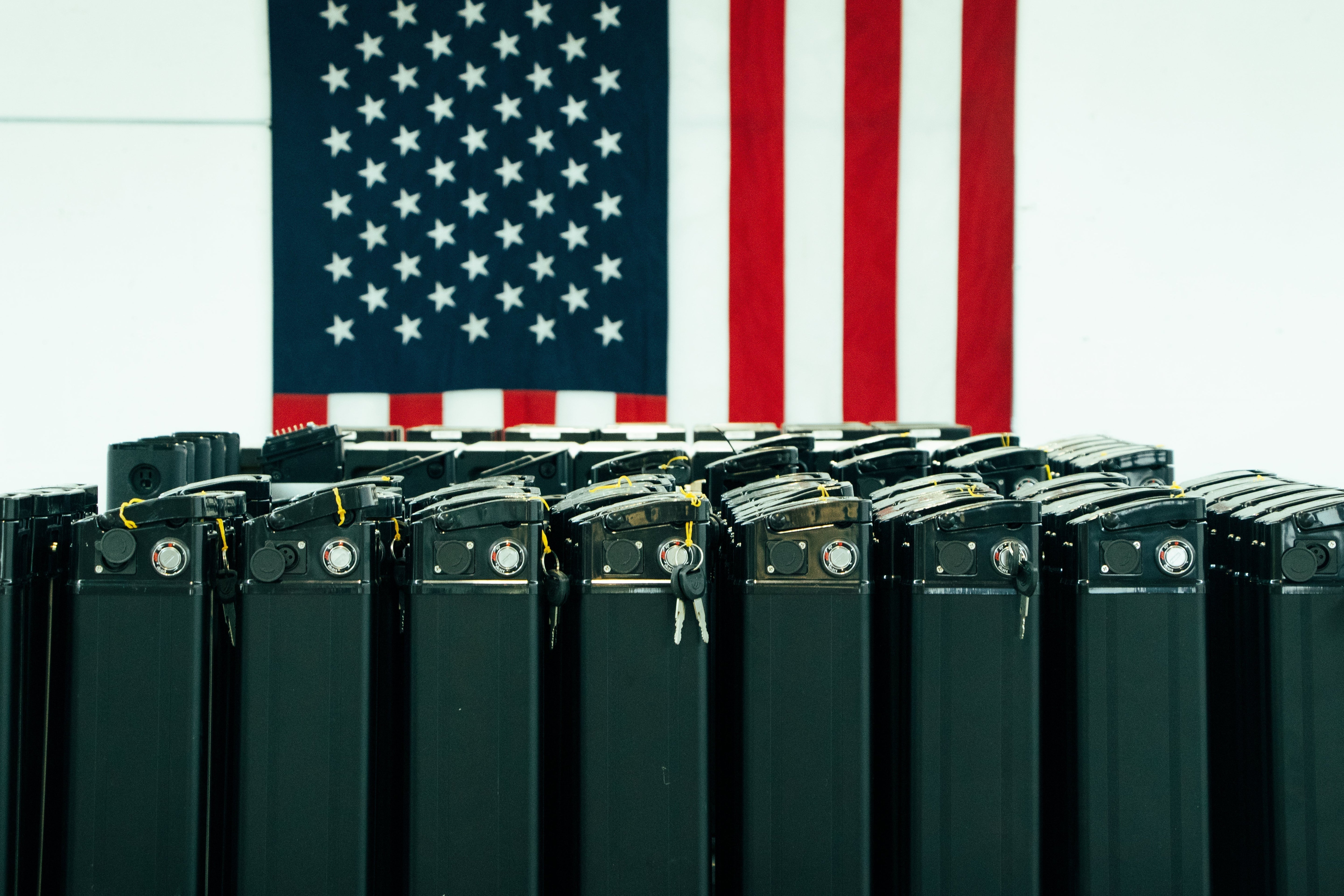
For riders with legacy Juiced Bikes who now face uncertain OEM support, U.S.-built lithium battery replacements are becoming a focal point of discussion. Companies like AmericanElectric Energy are stepping into this gap with freshly built battery packs, utilizing UL-listed cells from trusted suppliers such as Samsung, LG, Molicel, and Panasonic, and engineering Battery Management Systems (BMS) that emphasize safety and long lifecycle performance.

Unlike refurbished or harvested units sourced from used packs, these are newly constructed and factory tested in facilities like AmericanElectric’s South Florida plant — offering a traceable supply chain and a domestically supported warranty. This Made-in-USA approach minimizes risks associated with long international lead times, tariff volatility, and the discontinuation of proprietary parts. By bringing critical battery manufacturing closer to the rider, the industry gains a lifeline that does not depend on the survival of any single OEM.

Conclusion:

Juiced Bikes’ bankruptcy and asset auction underscore a larger trend in the e-bike market: the fragility of proprietary systems when support infrastructure evaporates. As riders reassess their options, domestically built replacement batteries represent a pragmatic response — one that prioritizes transparency, quality, and long-term serviceability in a post-Juiced landscape.