

Extending E-Bike Life When OEM Support Disappears

The Rebuild Alternative: How Juiced Bike Owners Can Keep Their Batteries Running Longer

With Juiced Bikes’ support network dissolved under bankruptcy, structured battery rebuilds offer a transparent engineering-driven option to preserve existing systems.

The auction of Juiced Bikes’ remaining assets in 2024 — a sale that included inventory, tooling, patents, and branding — marked a symbolic end to a brand that had defined high-performance e-bikes for over a decade. Electrek Hundreds of riders found themselves holding bikes whose manufacturer support had effectively vanished, prompting a pragmatic look at how to keep existing battery systems healthy and serviceable.

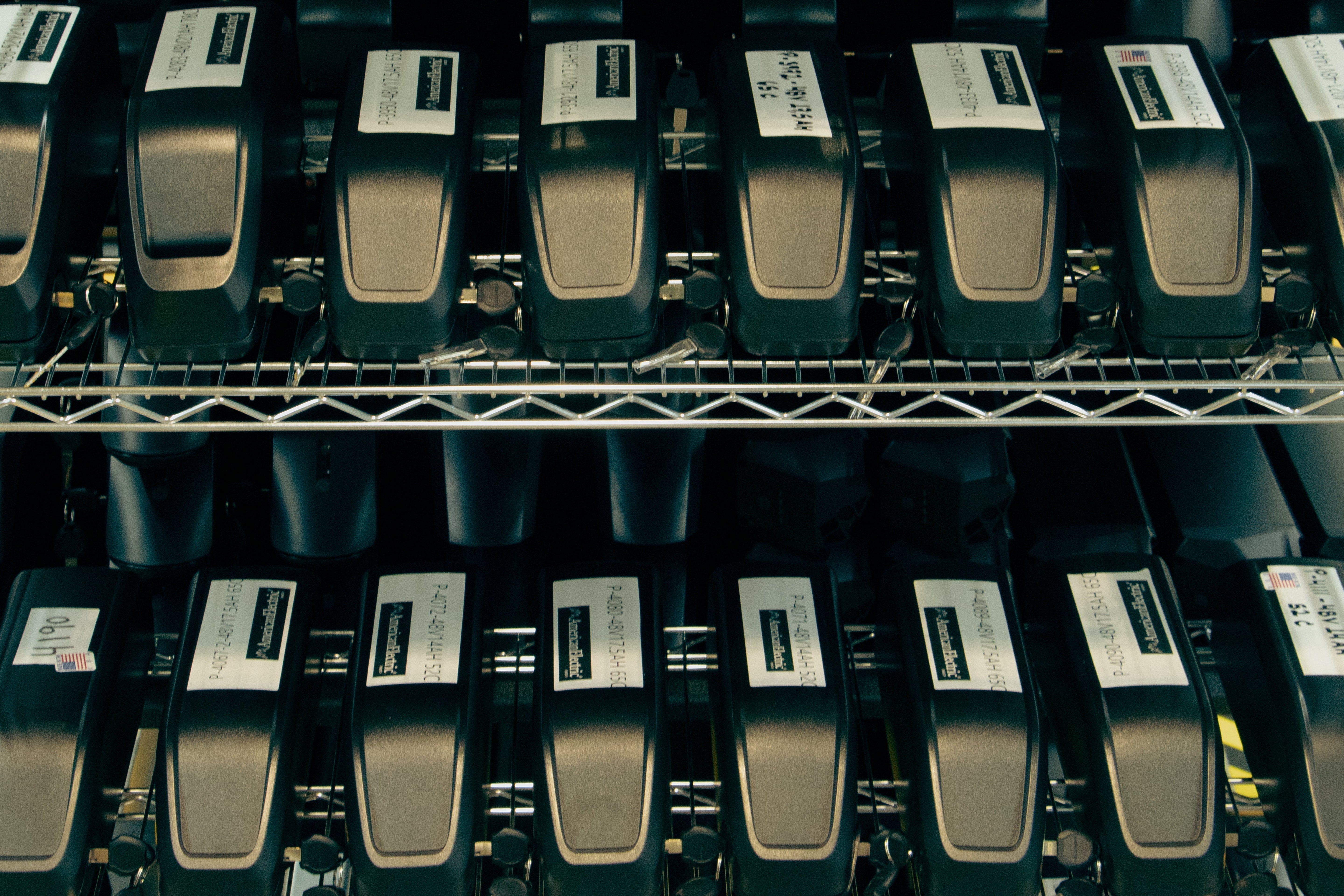
While some may consider completely replacing their battery packs, another viable approach rising in relevance is professional battery rebuilds backed by engineering-grade diagnostics. Rather than simply dropping in off-the-shelf replacements — which may not be fully compatible — rebuilds aim to restore and enhance the original pack’s functionality.

What Battery Rebuilds Offer

A professional battery rebuild process, such as those developed by companies like AmericanElectric Energy, prioritizes clarity, structured workflow, and adherence to U.S. safety standards. These rebuilds are not cosmetic touch-ups — they involve:

  • Fresh UL-Listed 21700 cells from leading manufacturers

  • Replacement or upgrade of the Battery Management System (BMS)

  • Full diagnostic evaluation before and after work begins

  • Detailed safety and performance testing

  • Final certification to U.S. industry benchmarks

This process maximizes both safety and longevity — vital considerations when OEM support for proprietary units has dissolved following Juiced’s bankruptcy.

The Engineering-Driven Process

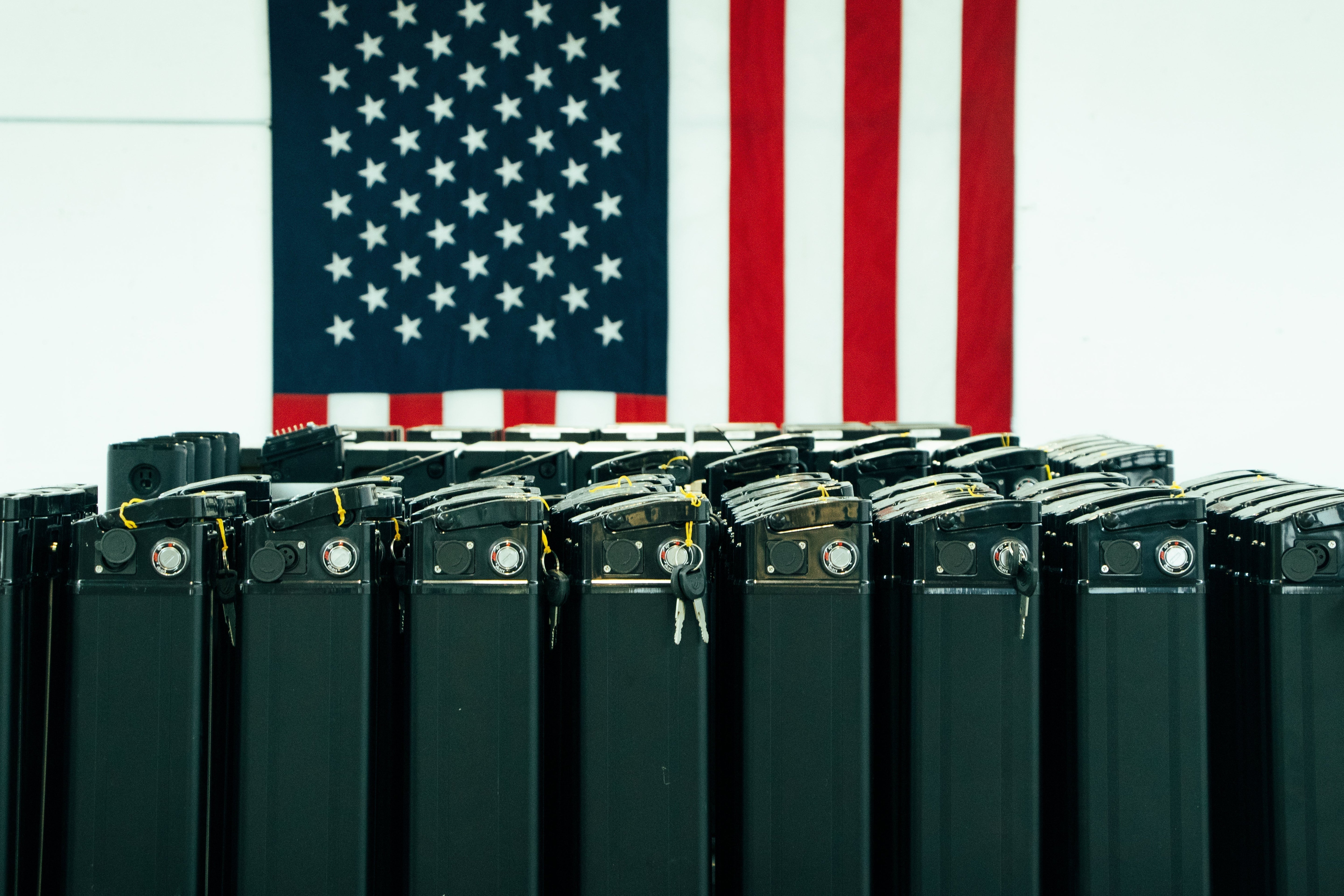
Effective battery rebuild protocols generally follow a staged methodology:

  1. Detailed Technical Intake: Collecting model, history, and symptom information up front to tailor the evaluation.

  2. Comprehensive Assessment: Engineers review the pack’s health and provide a transparent feasibility report within a few business days.

  3. Cell Replacement & BMS Upgrade: Installation of new cells and modern BMS hardware/software.

  4. Safety Verification: Thermal and electrical testing to ensure stability under load and throughout charge cycles.

  5. Final Delivery: Post-testing, the rebuilt pack is returned with documented quality confirmations.

For riders who invested in Juiced Bikes but now lack manufacturer support, these rebuilds offer economic efficiency without compromising on safety or performance — a thoughtful middle ground between obsolete OEM parts and generic alternatives.

Conclusion:

When a pioneering brand like Juiced dissolves under bankruptcy and auction proceedings, owners are left navigating gaps in parts, support, and future servicing. Structured battery rebuild programs, grounded in engineering transparency and safety standards, provide a responsible option for extending the life of existing systems — preserving performance, trust, and peace of mind in uncertain times.