


In late 2024, iGO Electric, the Montreal-based electric bicycle maker once lauded as a Canadian pioneer in the e-mobility space, quietly entered bankruptcy proceedings after years of financial strain and declining demand. espaces.ca The company — founded in 2006, expanded across North America, and sold through major outlets including big-box retailers — owed millions to secured and unsecured creditors when a major Canadian bank sought receivership in Quebec’s Superior Court. ebikes-international.com
For many riders, iGO’s collapse signals more than a shift in market share. It underscores a growing challenge in the e-bike industry: what happens when proprietary power systems lose manufacturer support? Integrated batteries — the heart of any electric bike — are not simple commodities. They are complex lithium-ion packs whose safety, performance, and serviceability depend on ongoing technical support and parts availability.
When an OEM exits the industry or ceases support, owners are often left with expensive, sometimes irreplaceable components that no longer have a clear path to safe maintenance or replacement. This scenario, already seen with other struggling e-mobility brands, highlights a real gap in long-term e-bike ownership support.
Looking Beyond Obsolescence
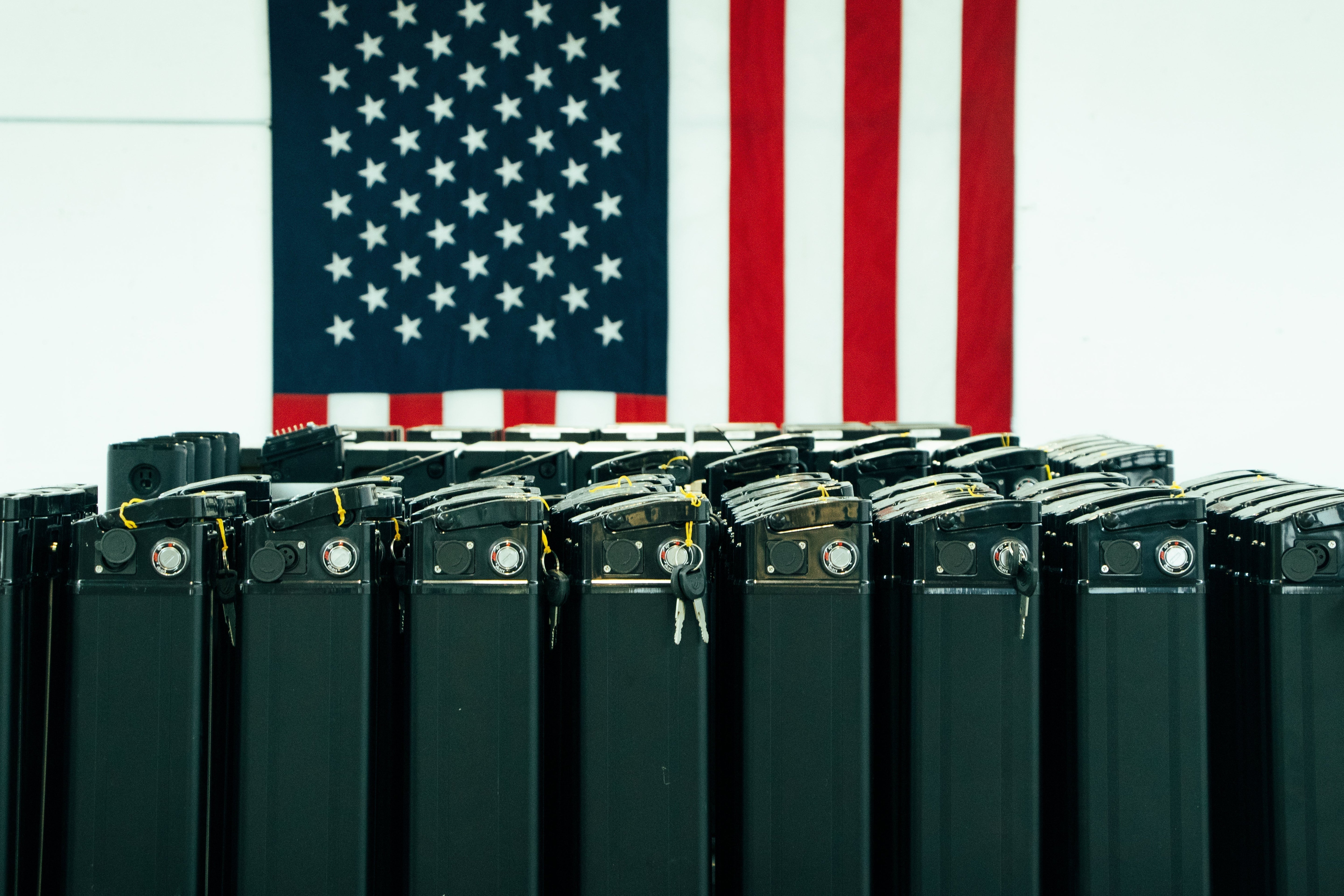
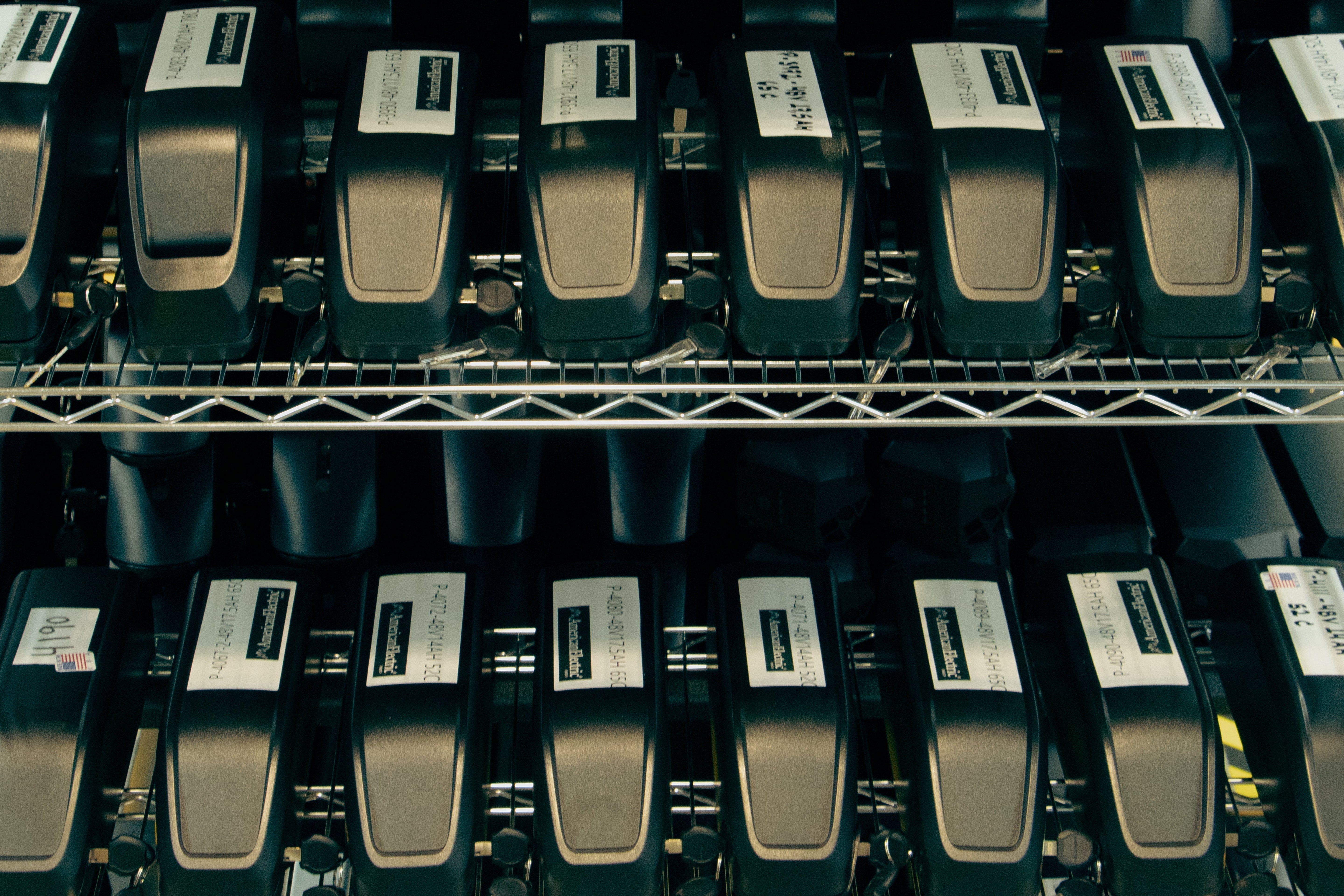
Amidst the uncertainty around iGO’s legacy support, a practical solution gaining traction among informed riders is the use of newly built U.S.-manufactured lithium battery packs from companies with a transparent supply chain and engineering focus. One example is AmericanElectric Energy, which builds fresh, high-quality packs from UL-listed 21700 cells sourced from trusted manufacturers such as Samsung, LG, Molicel, and Panasonic, and assembles them with advanced Battery Management Systems (BMS) designed for stability and safety.
Unlike third-party “refurbished” units that rely on used cells and inconsistent quality, these packs are fresh builds engineered for long-term performance. They are also manufactured domestically — in Florida — which reduces dependence on volatile international logistics and foreign inventory shortages.