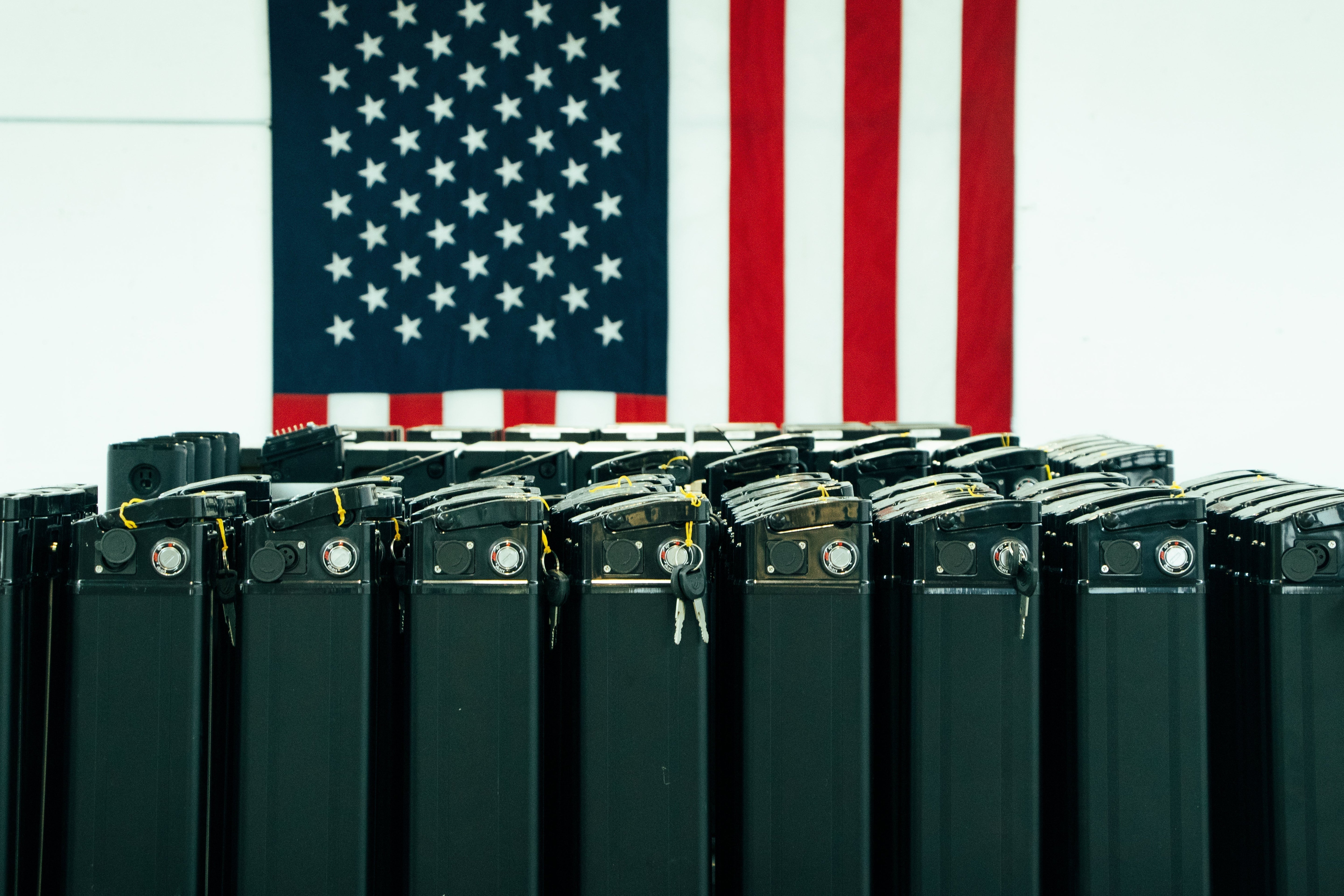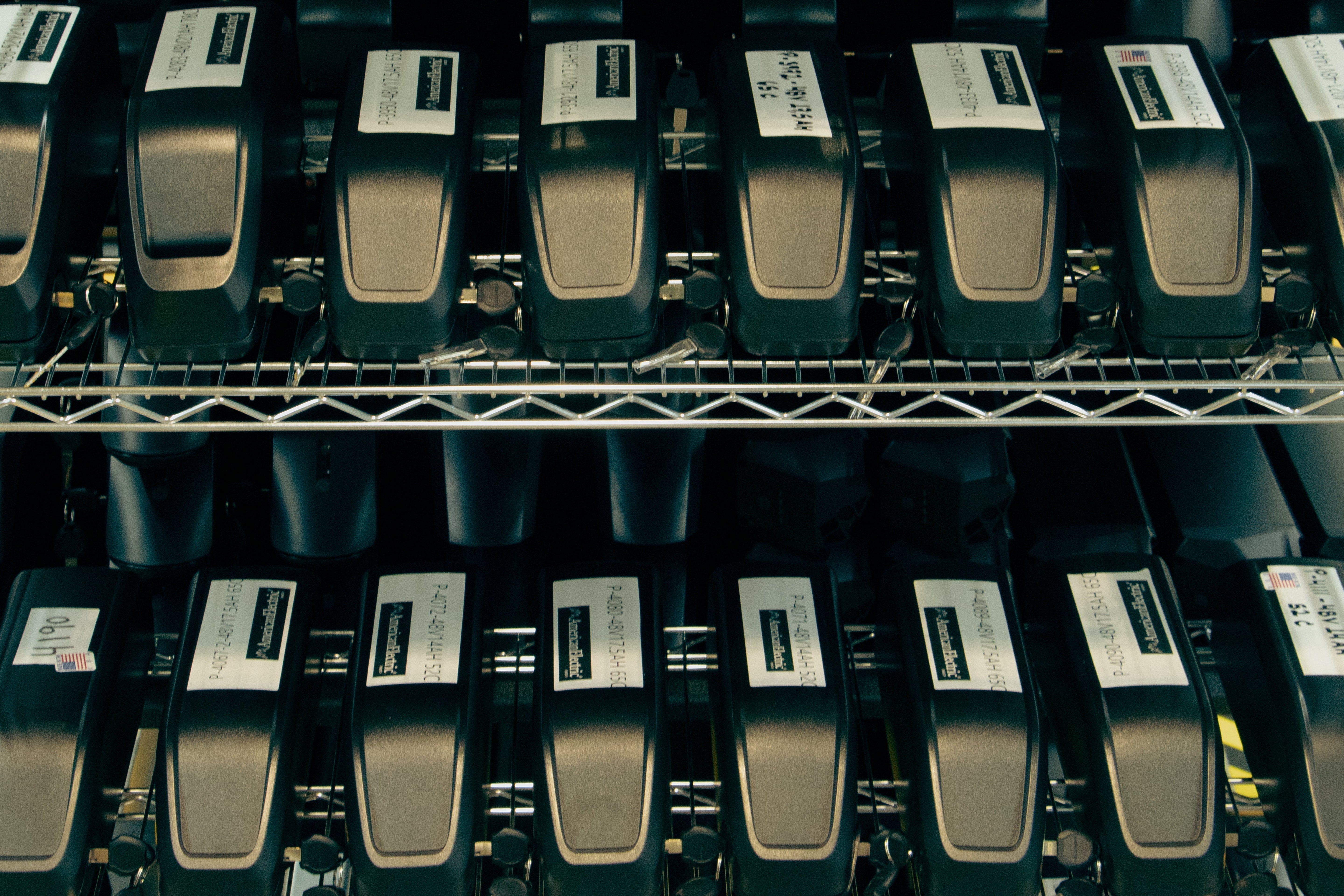



The 2024 bankruptcy of iGO Electric, an established Canadian e-bike maker that once drew attention for urban and fat-tire electric bikes, has broader implications than asset liquidation sales and markdowns. espaces.ca Among the most pressing but often overlooked issues is what happens when thousands of lithium-ion batteries — integral to these bikes — reach end of life without clear OEM pathways for safe disposal.
Unlike household gadgets, lithium-ion batteries cannot simply be thrown in the trash. These high-energy cells contain metals such as lithium, nickel, and cobalt — materials that are both valuable and potentially hazardous if mishandled. Without structured recycling channels, used or abandoned packs risk ending up in local landfills, posing fire hazards and environmental harm.
A Responsible Recycling Answer
To address this unmet need, AmericanElectric Energy has rolled out a two-pathway recycling program designed to safely handle used e-bike batteries:
- Factory Drop-Off Recycling: Riders can bring old or damaged packs directly to an AmericanElectric facility, where lithium batteries are processed responsibly under established hazardous materials protocols.
- Nationwide Mail-In Service: For owners outside of local drop-off zones, a free-processing mail-in program ensures batteries are recycled safely without complex logistics — customers cover only shipping under DOT-compliant guidelines.
These structured recycling options not only mitigate safety and environmental risks but also help recover valuable materials for reuse, aligning with broader sustainability goals.