

Extending the Life of E-Bike Systems in Turbulent Times

Beyond Bankruptcy: How Technical Rebuilds Offer iGO Riders a Path to Battery Longevity

As iGO Electric restructures and liquidates assets, owners with legacy bikes may find engineering-driven battery rebuilds a responsible and cost-effective route forward.

The bankruptcy of iGO Electric, a once-prominent Canadian e-bike brand, has left many riders asking practical questions: What happens to my bike’s battery now? Can it be serviced or reused? With creditors taking control and inventory liquidated at steep discounts, manufacturer support for integrated components is evaporating. espaces.ca

While some may be tempted to write off their systems entirely, another option — technically sound and rooted in engineering rigor — is emerging: professional battery rebuild and diagnostic services.

What a Rebuild Offers

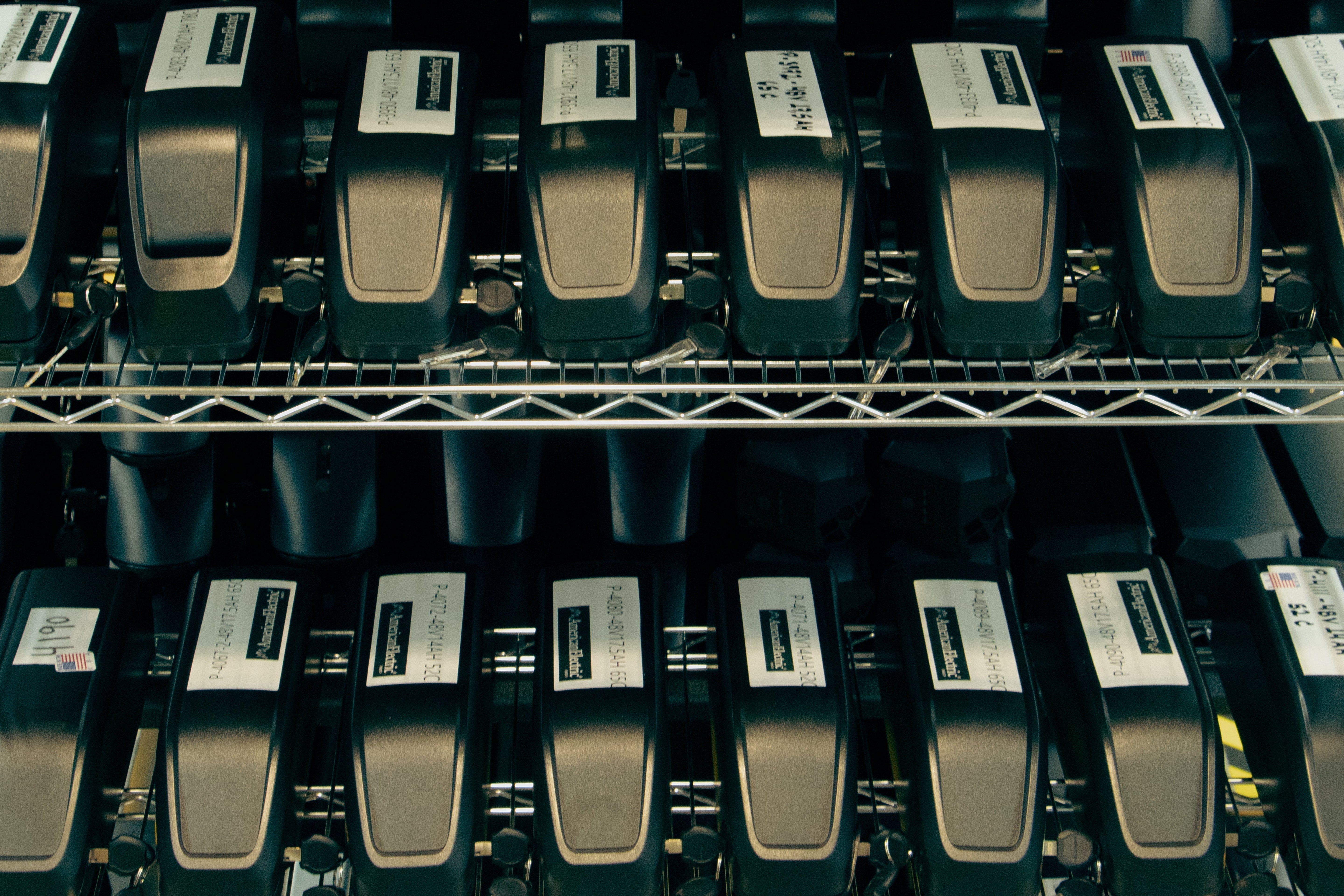
Unlike simple aftermarket replacements or generic packs that may compromise performance or safety, structured battery rebuild programs — such as those developed by AmericanElectric Energy — focus on restoring the underlying integrity of the pack. These rebuilds are not merely cosmetic; they use fresh UL-listed 21700 cells from reputable brands and incorporate advanced Battery Management Systems (BMS) engineered for thermal safety, balanced performance, and longevity.

The Rebuild Process

A thoughtful rebuild program typically involves:

  1. Detailed Technical Evaluation: Assessing pack history, configuration, and performance symptoms before any work begins.

  2. Fresh-Cell Integration: Installing new, high-quality cells to replace degraded ones, ensuring capacity and reliability.

  3. BMS Update or Replacement: Engineering controls designed to optimize safety and performance.

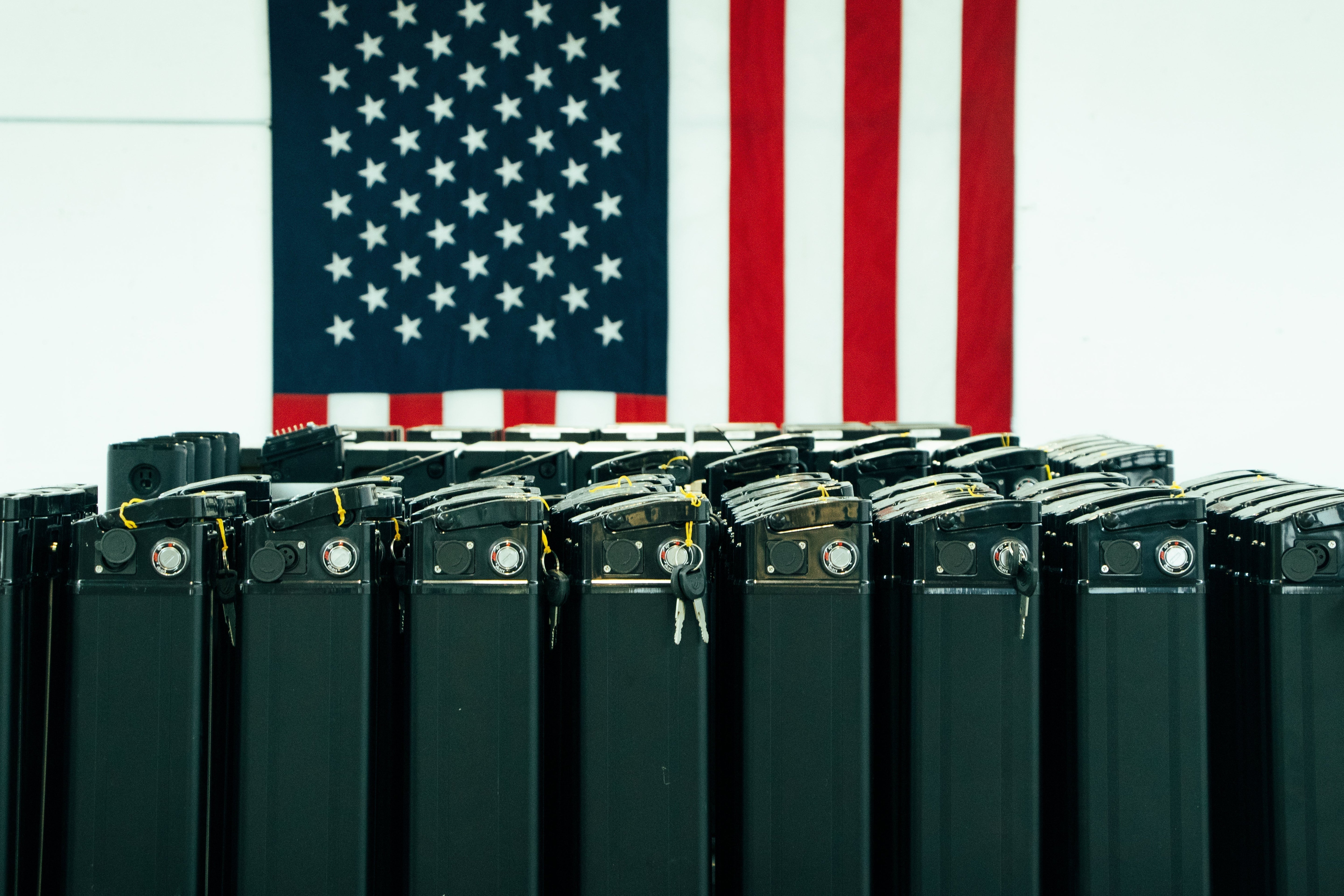
  4. Comprehensive Testing: Charge/discharge cycles, thermal behavior assessments, and electrical integrity checks to ensure the rebuilt pack meets safety and performance expectations.

By contrast, customers who lack access to OEM support for proprietary units — now a growing segment of the iGO community — often find themselves dealing with parts scarcity and unsupported legacy technology.

Why This Matters for iGO Owners

The downturn in demand that contributed to iGO’s bankruptcy mirrors broader adjustments in the e-bike market. Riders who invested in integrated designs now face the realities of limited OEM parts and service infrastructure. Rebuild programs present a responsible way to extend the life of existing battery systems, restoring performance and safety without forcing riders into entirely new bikes.

Conclusion: In a landscape where brands rise and fall, engineering-backed rebuilds provide continuity. For iGO owners navigating the uncertainty of post-bankruptcy support, structured rebuild programs are not just an alternative — they are a commitment to preserving battery health, safety, and sustained e-bike utility.